
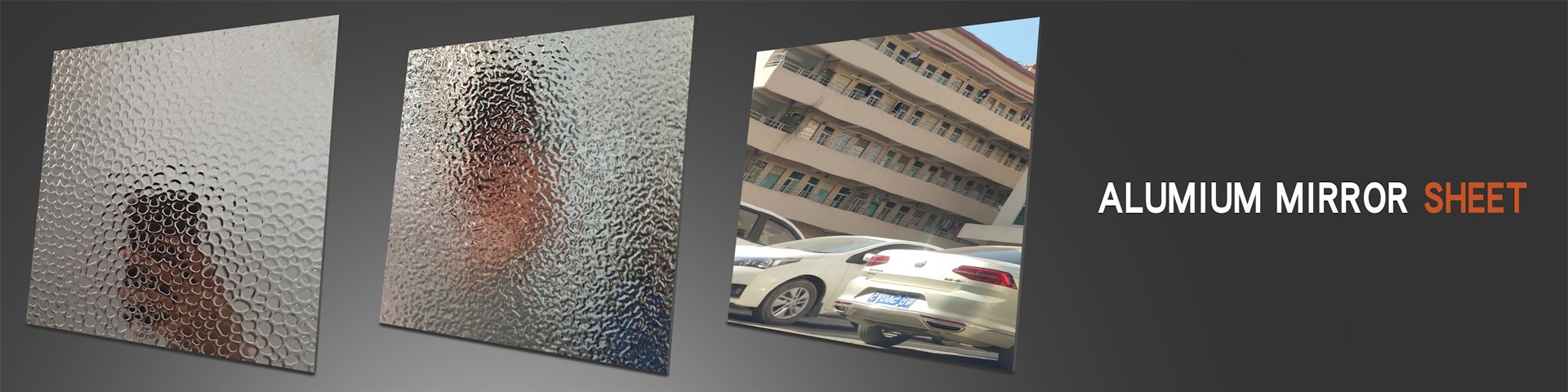
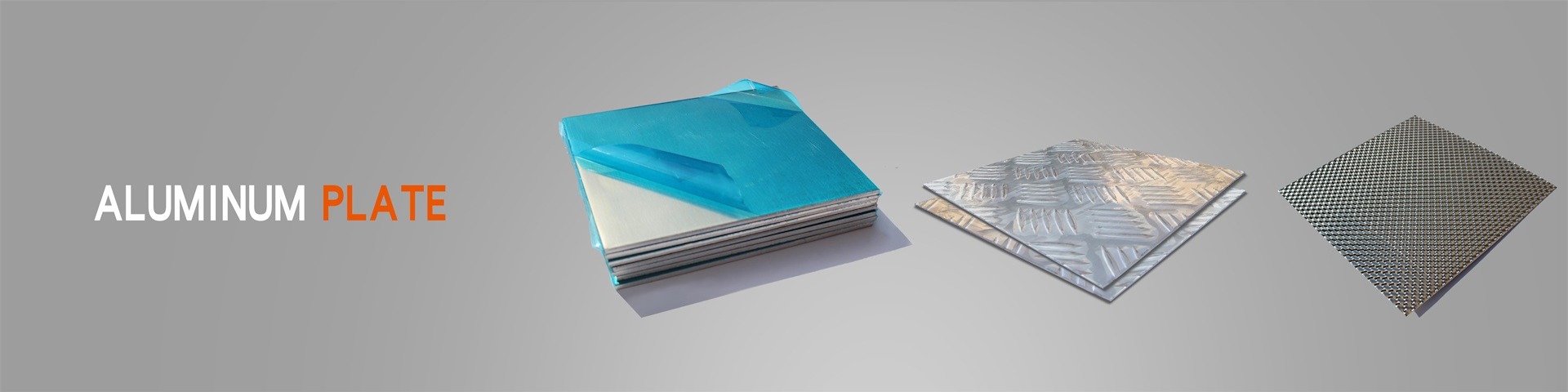
Стандартный алюминиевый лист почему это лучший выбор для строительства
В современном строительстве выбор материалов играет ключевую роль в обеспечении долговечности, экономической эффективности и экологической устойчивости проектов. Среди множества вариантов стандартный алюминиевый лист выделяется как универсальное и надежное решение, которое заслуживает особого внимания. В этой статье мы подробно рассмотрим, почему алюминиевые листы становятся предпочтительным выбором для строительных применений, анализируя их свойства, преимущества и практические аспекты использования.
Введение в алюминиевые листы и их роль в строительстве
Алюминий — это легкий, прочный и коррозионно-стойкий металл, который нашел широкое применение в различных отраслях, включая строительство. Стандартные алюминиевые листы представляют собой плоские изделия, производимые в соответствии с установленными нормами и стандартами, что обеспечивает их предсказуемость и надежность. Их использование в строительстве началось еще в начале XX века, и с тех пор технологии производства и обработки значительно усовершенствовались, делая алюминий еще более привлекательным для современных проектов.
Строительная индустрия постоянно ищет материалы, которые сочетают в себе высокую прочность, низкий вес и долговечность. Алюминиевые листы идеально соответствуют этим требованиям. Они используются для облицовки фасадов, кровельных работ, создания перегородок, оконных рам и многих других элементов. Благодаря своей универсальности, алюминий позволяет архитекторам и инженерам реализовывать смелые дизайнерские решения, не жертвуя функциональностью.
В этой статье мы углубимся в детали, объясняя, почему стандартные алюминиевые листы являются оптимальным выбором. Мы рассмотрим их физические и химические свойства, сравним с альтернативными материалами, такими как сталь или пластик, и приведем примеры успешных применений в реальных проектах. Кроме того, мы обсудим экологические аспекты и будущие тенденции, которые делают алюминий еще более ценным в контексте устойчивого развития.
Основные свойства алюминиевых листов
Алюминиевые листы обладают рядом уникальных свойств, которые делают их незаменимыми в строительстве. Во-первых, их легкость — алюминий имеет плотность около 2,7 г/см³, что примерно в три раза меньше, чем у стали. Это позволяет снизить общий вес конструкций, что особенно важно для высотных зданий или проектов с ограниченной несущей способностью фундамента. Легкость также упрощает транспортировку и монтаж, сокращая затраты на логистику и рабочую силу.
Во-вторых, алюминий отличается высокой коррозионной стойкостью. При контакте с воздухом на его поверхности образуется тонкий слой оксида алюминия, который защищает металл от дальнейшего окисления. Это свойство делает алюминиевые листы идеальными для использования в агрессивных средах, таких как прибрежные регионы или промышленные зоны, где другие материалы могут быстро подвергаться коррозии. Для enhanced защиты алюминий часто покрывают дополнительными слоями, например, анодированием или покраской, что еще больше увеличивает его долговечность.
Прочность алюминиевых листов также заслуживает внимания. Хотя чистый алюминий относительно мягок, его сплавы, такие как серии 1000, 3000, 5000 и 6000, обладают повышенной механической прочностью. Например, сплавы серии 6000 широко используются в строительстве из-за их хорошей прочности и обрабатываемости. Стандартные листы производятся с严格控制ными параметрами толщины и твердости, что обеспечивает consistent performance в различных условиях нагрузки.
Теплопроводность алюминия — еще одно важное свойство. Алюминий обладает высокой теплопроводностью, что делает его полезным для applications, требующих эффективного теплообмена, таких как системы отопления и охлаждения. Однако в строительстве это может быть как преимуществом, так и недостатком, поэтому often используются thermal break технологии или комбинации с изоляционными материалами для улучшения energy efficiency.
Электрическая проводимость алюминия также высока, что позволяет использовать его в электропроводке и заземляющих системах, хотя в строительстве primarily focus на structural applications. Кроме того, алюминий non-magnetic и non-sparking, что делает его безопасным для use в environments с риском возгорания или electromagnetic interference.
Наконец, алюминиевые листы обладают excellent обрабатываемостью. Они легко режутся, гнутся, сверлятся и свариваются, что позволяет адаптировать их к specific design requirements. This flexibility is crucial in construction, where custom shapes and sizes are often needed. Modern manufacturing techniques, such as CNC machining, further enhance the precision and efficiency of working with aluminum sheets.
Преимущества использования алюминиевых листов в строительстве
Использование стандартных алюминиевых листов в строительстве предлагает множество преимуществ, которые делают их лучшим выбором по сравнению с другими материалами. Одно из главных преимуществ — долговечность. Алюминиевые конструкции могут служить десятилетиями без значительного обслуживания, благодаря своей коррозионной стойкости. Это reduces long-term costs and minimizes disruptions due to repairs or replacements.
Экономическая эффективность — another key advantage. Although the initial cost of aluminum may be higher than some materials like wood or plastic, the total cost of ownership is often lower due to reduced maintenance, longer lifespan, and energy savings. For example, aluminum's reflectivity can help reduce cooling costs in buildings by reflecting sunlight, and its lightweight nature lowers transportation and installation expenses.
Экологичность is increasingly important in modern construction, and aluminum excels in this area. Aluminum is 100% recyclable without loss of quality, and recycling it requires only 5% of the energy needed to produce primary aluminum. This makes aluminum sheets a sustainable choice, contributing to reduced carbon footprints and compliance with green building standards such as LEED or BREEAM. Many construction projects now prioritize materials with high recycled content, and aluminum often meets these criteria.
Эстетическая appeal of aluminum sheets is another significant benefit. They can be finished in a variety of ways—through painting, powder coating, or anodizing—to achieve different colors, textures, and appearances. This allows architects to create visually striking designs that enhance the aesthetic value of buildings. Aluminum's modern and sleek look is particularly popular in contemporary architecture, where clean lines and minimalism are emphasized.
Versatility in applications is a hallmark of aluminum sheets. They are used in roofing, cladding, framing, windows, doors, and even interior elements like partitions or ceilings. Their ability to be formed into complex shapes enables innovative architectural expressions, such as curved facades or intricate details. Additionally, aluminum sheets can be combined with other materials, like glass or composites, to create hybrid systems that leverage the strengths of each component.
Safety aspects also favor aluminum. It is non-combustible and has a high melting point, reducing fire risks compared to materials like plastic or wood. In seismic zones, the lightweight nature of aluminum can improve structural resilience by reducing inertial forces during earthquakes. Furthermore, aluminum does not emit harmful VOCs (volatile organic compounds), contributing to better indoor air quality.
Lastly, the standardization of aluminum sheets ensures consistency and reliability. Industry standards, such as those set by ISO or ASTM, govern dimensions, tolerances, and properties, making it easier for engineers to specify and use aluminum in designs. This predictability reduces risks and errors in construction projects, leading to smoother execution and higher quality outcomes.
Сравнение с альтернативными материалами
Чтобы fully appreciate why aluminum sheets are the best choice, it is essential to compare them with alternative materials commonly used in construction, such as steel, wood, plastic, and composites.
По сравнению со сталью, алюминий lighter and more corrosion-resistant. Steel is stronger in terms of tensile strength, but it is susceptible to rust, requiring protective coatings or galvanization, which add to costs and maintenance. Aluminum's lightweight advantage reduces structural loads and facilitates easier handling, though in some high-strength applications, steel might be preferred. However, for most building envelope applications, aluminum offers a better balance of properties.
Дерево is a traditional material that is renewable and has good insulation properties, but it is prone to rot, pests, and fire. Aluminum, being inorganic, does not suffer from these issues and requires less upkeep. While wood may have a lower initial cost, its shorter lifespan and higher maintenance needs often make aluminum more economical in the long run. Additionally, aluminum can be designed to mimic the appearance of wood through finishes, offering aesthetic flexibility without the drawbacks.
Пластиковые материалы, such as PVC or fiberglass, are lightweight and low-cost, but they lack the durability and strength of aluminum. Plastics can degrade under UV exposure, become brittle over time, and are less environmentally friendly due to challenges in recycling and potential chemical leaching. Aluminum, with its robustness and recyclability, provides a more sustainable and reliable option.
Композитные материалы, like aluminum composite panels (ACPs), combine aluminum with other layers for enhanced properties. While ACPs are popular for cladding due to their insulation and aesthetic benefits, pure aluminum sheets offer greater purity and predictability. Standards for aluminum sheets ensure consistent performance, whereas composites may vary based on the quality of bonding and core materials.
In summary, aluminum sheets outperform alternatives in terms of durability, sustainability, and versatility, making them the superior choice for a wide range of construction applications.
Практические применения алюминиевых листов в строительстве
Алюминиевые листы find extensive use in various construction sectors. One of the most common applications is in фасадные системы. Aluminum cladding provides a protective and decorative layer for buildings, enhancing weather resistance and aesthetic appeal. Examples include curtain walls and rainscreen systems, where aluminum sheets are used to create sleek, modern exteriors that can withstand environmental elements.
Кровельные работы another major area. Aluminum roofing sheets are lightweight, durable, and reflective, helping to reduce heat gain and energy costs. They are often used in commercial and industrial buildings, as well as in residential projects where longevity and low maintenance are priorities. Aluminum's malleability allows for the creation of various roof profiles, such as standing seam or corrugated designs.
Оконные и дверные системы frequently incorporate aluminum sheets for frames and sashes. Aluminum's strength-to-weight ratio enables the production of slim profiles that maximize glass area, improving natural light and views while maintaining structural integrity. Thermal break technology is commonly applied to address aluminum's high thermal conductivity, ensuring energy efficiency.
Внутренние применения include partitions, ceilings, and decorative elements. Aluminum sheets can be used to create lightweight, fire-resistant partitions in offices or homes. Ceiling panels made from aluminum offer acoustic benefits and easy installation. Their ability to be finished in various colors and patterns makes them suitable for enhancing interior design.
Специализированные применения, such as in green buildings or smart structures, are also emerging. For instance, aluminum sheets integrated with photovoltaic cells can serve as building-integrated photovoltaics (BIPV), generating renewable energy. In seismic regions, aluminum's flexibility helps absorb shocks, improving building safety.
Real-world examples abound. The Burj Khalifa in Dubai uses aluminum extensively in its cladding and windows, leveraging its lightweight properties for the world's tallest building. Similarly, many modern airports and stadiums utilize aluminum sheets for roofing and facades due to their durability and aesthetic versatility.
Экологические аспекты и устойчивость
В эпоху growing environmental awareness, the sustainability of construction materials is paramount. Aluminum sheets shine in this regard. As mentioned, aluminum is highly recyclable, and the recycling process saves up to 95% of the energy required for primary production. This closed-loop recycling system means that aluminum can be reused indefinitely without degradation, reducing waste and conserving natural resources.
The production of primary aluminum does involve significant energy consumption, primarily from electricity used in the electrolysis process. However, advancements in technology and the increasing use of renewable energy sources are mitigating this impact. Many aluminum producers now prioritize green energy, further enhancing the material's environmental credentials.
In construction, using aluminum sheets can contribute to certifications like LEED (Leadership in Energy and Environmental Design). Points are awarded for materials with high recycled content, local sourcing, and low embodied energy. Aluminum often qualifies, especially when sourced from suppliers with sustainable practices.
Additionally, aluminum's longevity means that buildings require fewer material replacements over their lifecycle, reducing overall environmental impact. Its reflectivity can lower urban heat island effects and decrease energy demand for cooling, aligning with climate goals.
Future trends include the development of bio-based or low-carbon aluminum production methods, which could make aluminum even more sustainable. As circular economy principles gain traction, aluminum's recyclability positions it as a key material for green building initiatives.
Будущие тенденции и инновации
The future of aluminum sheets in construction looks promising, driven by innovations and evolving market demands. One trend is the integration of smart technologies. For example, aluminum sheets embedded with sensors can monitor structural health, temperature, or humidity, enabling predictive maintenance and improved building performance.
Advancements in manufacturing, such as additive manufacturing (3D printing) with aluminum alloys, are opening new possibilities for custom and complex geometries. This could revolutionize architectural design, allowing for more organic and efficient structures.
Energy efficiency remains a focus. Research is ongoing into improved coatings and treatments that enhance aluminum's insulating properties or enable dynamic responses to environmental conditions, such as thermochromic coatings that change color with temperature.
The push for decarbonization is likely to increase the demand for aluminum due to its recyclability. Governments and industries are investing in greener production methods, which will make aluminum even more attractive for sustainable construction.
Moreover, as urbanization continues, the need for lightweight, durable materials for high-rise and infrastructure projects will grow. Aluminum sheets are well-positioned to meet these challenges, offering solutions that balance performance, cost, and environmental impact.
Заключение
В заключение, стандартные алюминиевые листы представляют собой exceptional choice for construction due to their unique combination of lightness, strength, durability, and sustainability. Their advantages over alternative materials, coupled with their versatility and aesthetic appeal, make them indispensable in modern building projects. As the industry moves towards more sustainable and innovative practices, aluminum sheets will continue to play a pivotal role, helping to create structures that are not only functional and beautiful but also environmentally responsible. By choosing aluminum, builders and architects invest in a material that offers long-term value and supports a greener future.
This article has explored the myriad reasons why aluminum sheets are the best choice, from their fundamental properties to practical applications and future trends. As technology advances and awareness grows, we can expect even greater adoption of aluminum in construction, solidifying its status as a premier material for the built environment.