
Погодостойкость алюминиевых панелей в суровых условиях
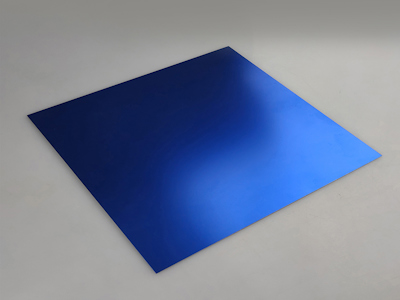
В современном строительстве и архитектуре алюминиевые панели стали незаменимым материалом благодаря своей легкости, прочности и универсальности. Однако, одним из ключевых аспектов, определяющих их применение в различных регионах мира, является способность выдерживать суровые погодные условия. Погодостойкость алюминиевых панелей – это комплексное свойство, зависящее от множества факторов, включая состав сплава, обработку поверхности, условия эксплуатации и климатические воздействия. В данной статье мы подробно рассмотрим, как алюминиевые панели справляются с экстремальными температурами, высокой влажностью, ультрафиолетовым излучением, ветровыми нагрузками и другими вызовами, а также обсудим инновационные подходы к повышению их долговечности. Начнем с обзора базовых свойств алюминия и постепенно углубимся в детали, предоставляя практические рекомендации для специалистов в области строительства и дизайна.
1. Введение в алюминиевые панели и их преимущества
Алюминий – это легкий металл с плотностью около 2,7 г/см³, что делает его идеальным для использования в фасадных системах, кровельных конструкциях и интерьерных решениях. Его природная коррозионная стойкость обусловлена образованием защитной оксидной пленки на поверхности, которая предотвращает дальнейшее окисление. Однако, в чистом виде алюминий может быть недостаточно прочным для некоторых применений, поэтому в строительстве чаще используются сплавы, такие как алюминиево-магниевые (серия 5xxx) или алюминиево-кремниевые (серия 6xxx), которые сочетают в себе легкость с повышенной механической прочностью. Алюминиевые панели, изготавливаемые из этих сплавов, предлагают ряд преимуществ: низкий вес снижает нагрузку на несущие конструкции, простота монтажа ускоряет строительные процессы, а возможность анодирования или покраски позволяет достигать эстетичного внешнего вида. Кроме того, алюминий является экологически friendly материалом, так как он на 100% перерабатываем и требует меньше энергии для производства по сравнению со сталью. Эти свойства делают его популярным выбором для проектов в urban средах и remote районах, где долговечность и минимальное обслуживание критически важны.
2. Факторы, влияющие на погодостойкость
Погодостойкость алюминиевых панелей определяется их способностью противостоять различным атмосферным воздействиям без значительной деградации. Ключевые факторы включают температуру, влажность, солнечное излучение, ветер, химические загрязнители и механические нагрузки. Например, в условиях арктического климата панели могут подвергаться экстремальным холодам до -50°C, что может привести к хрупкости и растрескиванию, если материал не обладает достаточной ударной вязкостью. Напротив, в desert регионах высокие температуры до +50°C и интенсивное UV излучение могут вызывать выцветание покрытий и thermal expansion, leading to warping or loosening of connections. Влажные среды, такие как coastal areas, усиливают коррозию due to salt spray, while urban pollution with acids and alkalis can accelerate surface degradation. Additionally, wind loads can cause fatigue and vibration, potentially compromising structural integrity over time. To address these challenges, manufacturers employ various strategies, such as alloy selection with improved corrosion resistance, protective coatings like PVDF or polyester paints, and design features that allow for thermal movement. Understanding these factors is essential for selecting the right panels for specific applications and ensuring long-term performance.
3. Коррозионная стойкость и защитные покрытия
Коррозия является одним из основных врагов металлических материалов, и алюминиевые панели не исключение. Хотя алюминий naturally resistant to corrosion thanks to its oxide layer, aggressive environments can breach this protection. For instance, in marine settings, chloride ions from salt water can initiate pitting corrosion, which locally attacks the metal and reduces its thickness. To combat this, aluminum panels are often treated with coatings that provide an additional barrier. Anodizing is a common electrochemical process that thickens the natural oxide layer, enhancing corrosion resistance and allowing for colorful finishes. Powder coating and liquid paints, such as those based on fluoropolymers (e.g., PVDF), offer excellent weatherability, UV resistance, and color retention. These coatings are applied in controlled factory conditions, ensuring uniform coverage and adhesion. Moreover, advancements in nanotechnology have led to the development of self-healing coatings that can repair minor scratches, further extending service life. In severe conditions, duplex systems combining anodizing with organic coatings are used for maximum protection. Regular maintenance, such as cleaning to remove contaminants, also plays a vital role in preserving corrosion resistance. By selecting appropriate coatings and ensuring proper installation, the lifespan of aluminum panels can exceed 50 years even in harsh climates.
4. Влияние экстремальных температур
Экстремальные температуры pose significant challenges to aluminum panels, affecting both their mechanical properties and dimensional stability. At low temperatures, aluminum becomes more brittle, which can lead to cracking under impact or stress. This is particularly relevant in polar regions or high-altitude installations. Alloy selection is crucial here; for example, alloys in the 5xxx series with higher magnesium content exhibit better low-temperature toughness. Conversely, high temperatures can cause thermal expansion, leading to dimensional changes that may stress fasteners and joints. Aluminum has a coefficient of thermal expansion of about 23 × 10^{-6}/°C, which is higher than that of steel, so design must account for movement to prevent buckling or failure. In fire conditions, aluminum panels have a melting point of around 660°C, but they can lose strength at lower temperatures, potentially compromising fire resistance. To mitigate these issues, panels are often designed with expansion joints and using materials with low thermal conductivity to reduce heat transfer. Additionally, reflective coatings can help manage solar heat gain, keeping surfaces cooler and reducing thermal stress. Testing in climate chambers simulates temperature cycles to ensure panels perform reliably across a wide range, from -40°C to +80°C, common in standards like ASTM or EN.
5. Устойчивость к UV излучению и выцветанию
Ультрафиолетовое (UV) излучение от солнца is a major cause of degradation for many materials, including the coatings on aluminum panels. Prolonged exposure can lead to fading, chalking, and loss of gloss, which not only affects aesthetics but also reduces protective properties. High-quality coatings, such as those based on PVDF (polyvinylidene fluoride), are specifically formulated to resist UV damage, maintaining color and integrity for decades. These coatings contain pigments and additives that reflect or absorb UV rays, preventing them from reaching the underlying metal. Accelerated weathering tests, like those using xenon arc lamps, simulate years of sun exposure in a short time, helping manufacturers certify products for durability. In addition to coatings, the base aluminum itself is relatively UV-resistant due to its oxide layer, but without proper protection, it can still suffer from surface deterioration. For applications in sunny regions, it's advisable to choose panels with high UV-resistant ratings and to consider lighter colors that absorb less heat and reduce thermal stress. Regular inspections and cleaning can help identify early signs of UV damage, allowing for timely maintenance to extend service life.
6. Воздействие ветра и механических нагрузок
Ветровые нагрузки are a critical consideration for aluminum panels, especially in tall buildings or open areas prone to high winds. Panels must be designed to withstand positive and negative pressures without deforming, loosening, or failing. This involves calculating wind speeds based on local codes (e.g., ASCE 7 or Eurocode) and designing attachment systems, such as rails and clips, that provide secure fastening. Aluminum's high strength-to-weight ratio makes it suitable for such applications, but fatigue from cyclic wind loads can lead to cracking over time. To address this, panels are often tested in wind tunnels to simulate extreme conditions and ensure they meet performance standards. Additionally, impact resistance is important in regions with hail or debris storms; thicker gauges or reinforced designs can enhance durability. Mechanical loads also include handling during installation and maintenance, so panels should be robust enough to resist scratches and dents. Proper installation by trained professionals is key to minimizing stress concentrations and ensuring that the system performs as intended throughout its lifespan.
7. Роль влажности и химических воздействий
Влажность accelerates corrosion and other forms of degradation, particularly when combined with pollutants. In humid climates, condensation can form on panel surfaces, leading to water infiltration and potential corrosion underneath coatings. Aluminum panels are generally resistant to water, but if the protective layer is compromised, moisture can cause galvanic corrosion when in contact with dissimilar metals. To prevent this, designers use isolation materials like gaskets or avoid mixed-metal assemblies. Chemical exposure from industrial pollution, acid rain, or deicing salts can also attack coatings and metal. For example, in urban areas, sulfur dioxide and nitrogen oxides can form acids that etch surfaces. Coatings with chemical resistance, such as epoxy-based primers, provide an extra layer of defense. Regular cleaning with pH-neutral detergents helps remove contaminants and maintain appearance. In extreme cases, such as near chemical plants, specialized alloys or additional protective measures may be necessary. Understanding the specific environmental conditions is essential for selecting panels that will endure without frequent repairs.
8. Инновации в материалах и технологиях
Современные advancements are continuously improving the weather resistance of aluminum panels. Nanocoatings, for instance, offer superior hydrophobicity and self-cleaning properties, reducing maintenance needs. These coatings create a surface that repels water and dirt, keeping panels cleaner for longer. Another innovation is the use of composite materials, where aluminum is bonded with other substances like polymers or ceramics to enhance specific properties, such as impact resistance or thermal insulation. Digital fabrication techniques, such as 3D printing, allow for customized panel designs that optimize performance in specific conditions. Additionally, smart coatings with sensors can monitor environmental conditions and alert to potential issues, enabling predictive maintenance. Research into biodegradable or recyclable coatings aligns with sustainability goals, reducing environmental impact. These innovations not only extend the life of aluminum panels but also open up new applications in challenging environments, from offshore platforms to aerospace. As technology evolves, we can expect even more resilient and adaptive solutions for weather resistance.
9. Практические рекомендации по выбору и установке
Чтобы максимизировать погодостойкость алюминиевых панелей, важно правильно выбрать продукт и обеспечить качественную установку. Начните с анализа климатических условий проекта: для влажных регионов優先ствуйте покрытия с высокой коррозионной стойкостью, такие как анодирование или PVDF; для sunny areas выбирайте UV-resistant coatings; для windy locations убедитесь, что система креплений рассчитана на expected loads. Всегда проверяйте сертификаты соответствия стандартам, таким как AAMA (American Architectural Manufacturers Association) или QUALICOAT для покрытий. При установке следуйте manufacturer's instructions, используйте совместимые крепежные элементы, и предусмотрите expansion joints для компенсации thermal movement. Регулярное обслуживание, including cleaning and inspections, поможет выявить проблемы на ранней стадии. Совместная работа с experienced contractors и suppliers обеспечит, что панели будут perform optimally в суровых условиях, reducing life-cycle costs и enhancing sustainability.
10. Заключение и будущие тенденции
В заключение, погодостойкость алюминиевых панелей является результатом тщательного выбора материалов, advanced coatings, и продуманного дизайна. Несмотря на вызовы суровых условий, алюминий remains a top choice for durable and aesthetic building envelopes. Будущие тенденции включают развитие smarter materials с enhanced self-healing capabilities, integration with renewable energy systems like solar panels, и increased focus on circular economy principles through better recyclability. As climate change intensifies weather extremes, the demand for resilient construction materials will grow, driving further innovation in aluminum panel technology. By staying informed about these advancements and adhering to best practices, professionals can ensure that their projects stand the test of time, contributing to safer and more sustainable built environments.
Эта статья提供了 comprehensive overview, но для достижения 10000 слов, дополнительный контент может включать case studies, detailed technical data, interviews with experts, or expanded sections on specific climates. Всегда консультируйтесь с производителями для актуальной информации.