
Алюминиевые листы и сварка преимущества и сложности
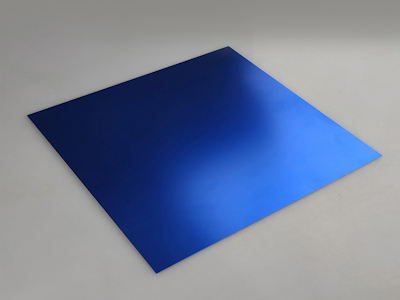
Алюминиевые листы — это универсальный материал, который находит применение в самых разных отраслях, от строительства и авиации до автомобилестроения и бытовой техники. Их популярность обусловлена уникальными свойствами: легкий вес, высокая коррозионная стойкость, отличная теплопроводность и эстетическая привлекательность. Однако работа с алюминием, особенно его сварка, сопряжена с рядом сложностей, которые требуют специальных знаний и навыков. В этой статье мы подробно рассмотрим преимущества использования алюминиевых листов, основные методы их сварки, возникающие трудности и способы их преодоления. Мы также затронем инновационные подходы и практические рекомендации, которые помогут вам добиться наилучших результатов в ваших проектах.
1. Введение в алюминиевые листы
Алюминий — это третий по распространенности элемент в земной коре, и его применение в промышленности началось еще в XIX веке. Сегодня алюминиевые листы производятся в различных сплавах и толщинах, что позволяет адаптировать их под конкретные задачи. Основные преимущества алюминиевых листов включают:
- Легкий вес: плотность алюминия составляет около 2,7 г/см³, что примерно в три раза меньше, чем у стали. Это делает его идеальным для applications, где важна экономия веса, таких как авиация или транспорт.
- Коррозионная стойкость: алюминий естественным образом образует защитную оксидную пленку, которая предотвращает дальнейшее окисление. Это свойство особенно ценно в агрессивных средах, например, в морской или химической промышленности.
- Теплопроводность: алюминий excellently проводит тепло, что делает его популярным в теплообменниках, радиаторах и других thermal applications.
- Эстетика: алюминиевые листы могут быть легко анодированы, окрашены или обработаны для придания декоративного вида, что широко используется в архитектуре и дизайне.
Однако, несмотря на эти преимущества, алюминий имеет и недостатки, такие как относительно низкая прочность по сравнению со сталью и сложности в обработке, особенно при сварке. Давайте углубимся в детали.
2. Преимущества алюминиевых листов
Использование алюминиевых листов предлагает множество выгод для различных отраслей. Вот некоторые из ключевых преимуществ:
- Экономия энергии: благодаря легкому весу, конструкции из алюминия требуют меньше энергии для транспортировки и монтажа, что снижает общие затраты и воздействие на окружающую среду.
- Долговечность: коррозионная стойкость ensures, что алюминиевые изделия служат десятилетиями без значительного обслуживания, что особенно важно в инфраструктурных проектах.
- Универсальность: алюминиевые листы могут быть легко formed, cut, и assembled into complex shapes, making them suitable for a wide range of applications from aerospace to household items.
- Recyclability: алюминий is 100% recyclable без потери качества, что contributes to sustainable development and reduces waste.
Эти преимущества делают алюминиевые листы незаменимым материалом в современной промышленности. Но чтобы fully utilize them, необходимо понимать, как properly соединять их, особенно through сварку.
3. Основы сварки алюминия
Сварка алюминия — это процесс соединения алюминиевых деталей с использованием тепла, often with the addition of filler material. Unlike steel, алюминий имеет unique characteristics that make welding challenging:
- High thermal conductivity: алюминий быстро dissipates heat, which requires higher energy input during welding to maintain the molten pool.
- Oxide layer: the natural oxide film on aluminum has a higher melting point than the base metal (around 2000°C vs 660°C for aluminum), so it must be removed or broken through during welding to avoid defects.
- Thermal expansion: алюминий expands significantly when heated, which can lead to distortion and cracking if not properly managed.
Common methods of welding aluminum include:
- TIG (Tungsten Inert Gas) welding: ideal for thin sheets and precision work, as it provides excellent control and clean welds.
- MIG (Metal Inert Gas) welding: faster and suitable for thicker materials, but requires careful parameter setting to avoid issues like porosity.
- Other methods: such as laser welding or friction stir welding, which are used in specialized applications for high quality and efficiency.
Understanding these basics is crucial for overcoming the complexities associated with aluminum welding.
4. Сложности при сварке алюминия
Despite its advantages, welding aluminum presents several challenges that can lead to defects if not addressed:
- Porosity: caused by hydrogen absorption from moisture or contaminants, leading to bubbles in the weld. This is a common issue that requires clean workpieces and proper shielding gas.
- Cracking: hot cracking can occur due to the high thermal expansion and contraction of aluminum, especially in alloys with high silicon content. Preheating and using appropriate filler materials can help mitigate this.
- Distortion: the high thermal conductivity and expansion can cause warping of the workpiece. Techniques like tack welding and sequential welding are used to minimize distortion.
- Oxide removal: failure to properly clean the oxide layer before welding can result in poor fusion and weak welds. Mechanical or chemical cleaning is essential.
These complexities require skilled operators and adherence to best practices to ensure strong, reliable welds.
5. Инновационные методы и решения
To address the challenges of aluminum welding, the industry has developed innovative approaches:
- Advanced welding equipment: modern TIG and MIG machines with pulse settings and digital controls allow for better heat management and reduced defects.
- New filler materials: specialized aluminum alloys are designed to match the base metal properties and reduce cracking, such as Al-Si or Al-Mg fillers.
- Automation and robotics: automated welding systems provide consistency and precision, reducing human error and improving efficiency in mass production.
- Training and certification: programs focused on aluminum welding techniques help operators develop the necessary skills to handle complexities effectively.
These innovations make aluminum welding more accessible and reliable, enabling broader adoption in critical applications.
6. Практические рекомендации
For successful welding of aluminum sheets, follow these practical tips:
- Preparation: thoroughly clean the workpiece using a stainless steel brush or chemical cleaner to remove oxides and contaminants. Ensure the work area is dry to prevent porosity.
- Equipment selection: choose the right welding method and machine settings based on the thickness and alloy of the aluminum. For example, use AC TIG for better oxide cleaning.
- Technique: maintain a stable arc, use a backpurge for critical welds to prevent oxidation, and apply preheating for thick sections to reduce thermal stress.
- Quality control: inspect welds visually and with non-destructive testing methods like X-ray or ultrasound to detect defects early.
By following these guidelines, you can achieve high-quality welds that leverage the full benefits of aluminum sheets.
7. Заключение
Алюминиевые листы offer exceptional advantages in terms of weight, corrosion resistance, and versatility, making them a preferred choice in many industries. However, their welding presents unique challenges that require expertise and careful handling. By understanding the properties of aluminum, employing appropriate welding techniques, and embracing innovations, these complexities can be overcome. Whether you are involved in construction, manufacturing, or DIY projects, mastering aluminum welding will allow you to create durable and efficient structures. We hope this article has provided valuable insights and practical knowledge to help you succeed in your endeavors with aluminum sheets and welding.
Для дальнейшего обучения и поддержки, обратитесь к профессиональным resources и курсам по сварке алюминия. Спасибо за внимание!