
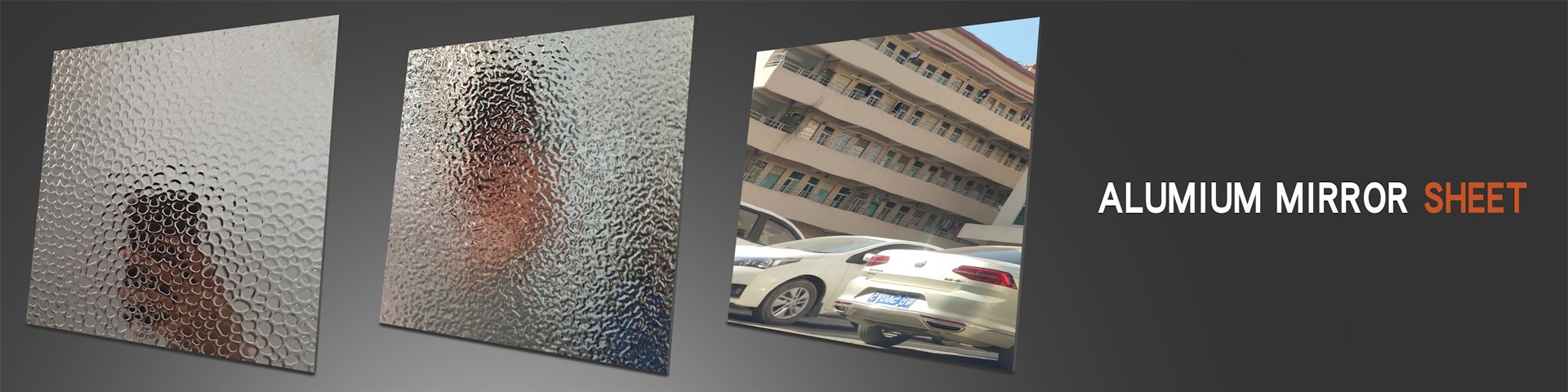
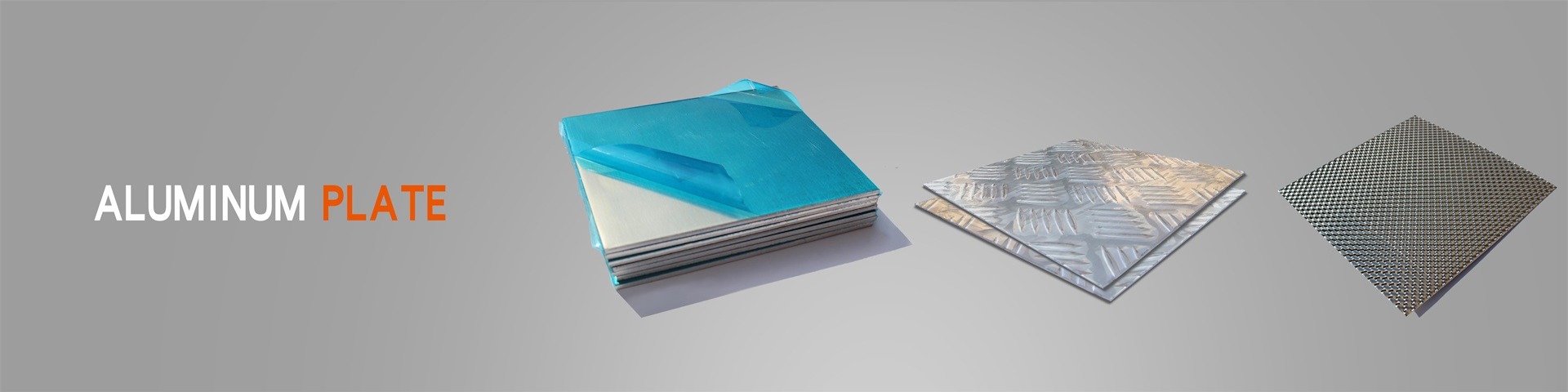
Алюминиевый сплав инновационный материал будущего для строительства
В современную эпоху, когда строительная отрасль сталкивается с растущими требованиями к устойчивости, эффективности и инновациям, алюминиевые сплавы emerge как ключевой игрок, способный революционизировать то, как мы проектируем и возводим здания. Эти материалы, сочетающие в себе легкость, прочность и коррозионную стойкость, не только отвечают текущим вызовам, но и открывают двери для будущих архитектурных шедевров. В этой статье мы углубимся в то, почему алюминиевые сплавы заслуживают звания материала будущего, исследуя их свойства, применения, преимущества и перспективы в контексте глобального строительного ландшафта.
Исторически, строительство всегда было тесно связано с доступными материалами – от камня и дерева в древние времена до стали и бетона в индустриальную эру. Однако, с наступлением информационной эпохи и усилением внимания к экологическим вопросам, отрасль ищет материалы, которые не только функциональны, но и устойчивы. Алюминиевые сплавы, с их уникальным сочетанием характеристик, идеально подходят для этой роли. Они легче стали, что снижает нагрузку на фундаменты и облегчает транспортировку, yet обладают достаточной прочностью, чтобы выдерживать значительные нагрузки. Это делает их особенно привлекательными для высотных зданий, мостов и других инфраструктурных проектов, где вес является критическим фактором.
Одним из наиболее впечатляющих аспектов алюминиевых сплавов является их коррозионная стойкость. В отличие от железа или стали, которые подвержены ржавчине и требуют регулярного обслуживания, алюминий естественным образом образует защитный оксидный слой, предотвращающий дальнейшее окисление. Это свойство не только продлевает срок службы конструкций, но и снижает долгосрочные затраты на содержание, что является значительным преимуществом для строительных компаний и владельцев зданий. В регионах с агрессивными климатическими условиями, такими как прибрежные зоны или промышленные районы, эта особенность становится еще более ценной, обеспечивая долговечность и надежность.
Кроме того, алюминиевые сплавы демонстрируют отличную обрабатываемость и гибкость в дизайне. Их можно легко экструдировать, лить или формовать в сложные формы, что позволяет архитекторам реализовывать смелые и инновационные проекты. От изогнутых фасадов до ажурных структур – алюминий предоставляет свободу творчества, которая ранее была ограничена более жесткими материалами. Это способствует созданию эстетически pleasing и функциональных зданий, которые не только служат своим целям, но и становятся landmarks в городской среде.
С точки зрения устойчивости, алюминиевые сплавы предлагают compelling benefits. Алюминий является highly recyclable material – он can be recycled repeatedly without loss of quality, что significantly reduces the environmental impact compared to virgin production. In fact, recycling aluminum requires only about 5% of the energy needed to produce it from bauxite ore, making it a cornerstone of circular economy practices in construction. This aligns perfectly with global initiatives to reduce carbon footprints and promote green building standards, such as LEED or BREEAM. By incorporating aluminum alloys, projects can achieve higher ratings and contribute to a more sustainable future.
However, it is important to acknowledge the challenges associated with aluminum alloys. The initial cost can be higher than that of traditional materials like steel or concrete, primarily due to the energy-intensive production process. Nonetheless, this is often offset by the long-term savings in maintenance, transportation, and energy efficiency. Additionally, advancements in manufacturing technologies are steadily reducing these costs, making aluminum more accessible. For instance, the development of new alloy compositions and improved production methods has enhanced the cost-effectiveness and performance of these materials.
Looking ahead, the future of aluminum alloys in construction appears bright. With the rise of smart cities and the integration of IoT (Internet of Things) into infrastructure, aluminum's lightweight and conductive properties make it an ideal candidate for embedding sensors and other technologies. Imagine buildings that not only stand strong but also monitor their own health, adjust to environmental conditions, and optimize energy usage – all facilitated by aluminum-based systems. Furthermore, as research continues, we can expect even more innovative alloys with enhanced properties, such as improved thermal insulation or self-healing capabilities, further solidifying their role as the material of the future.
In conclusion, aluminum alloys represent a transformative force in the construction industry. Their unique blend of lightness, strength, corrosion resistance, and sustainability positions them as a key enabler of innovative and efficient building practices. As we move towards a more urbanized and environmentally conscious world, embracing these materials will be crucial for creating resilient, beautiful, and sustainable structures. The journey has just begun, and the potential is limitless – aluminum alloys are indeed the innovative material of the future for construction.
This article only scratches the surface of the topic. For those interested in deeper insights, exploring case studies of iconic buildings like the Burj Khalifa or the Shanghai Tower, which utilize aluminum extensively, can provide practical examples of its applications. Additionally, staying updated with industry trends and technological advancements will help stakeholders leverage the full potential of this remarkable material.
Remember, the choice of materials in construction is not just about functionality; it's about shaping the future of our built environment. Aluminum alloys offer a path forward that is both practical and visionary, making them an indispensable part of the construction toolkit for years to come.
So, whether you are an architect, engineer, developer, or simply an enthusiast, it's time to take a closer look at aluminum alloys and consider how they can elevate your next project. The future is light, strong, and sustainable – and it's made of aluminum.