
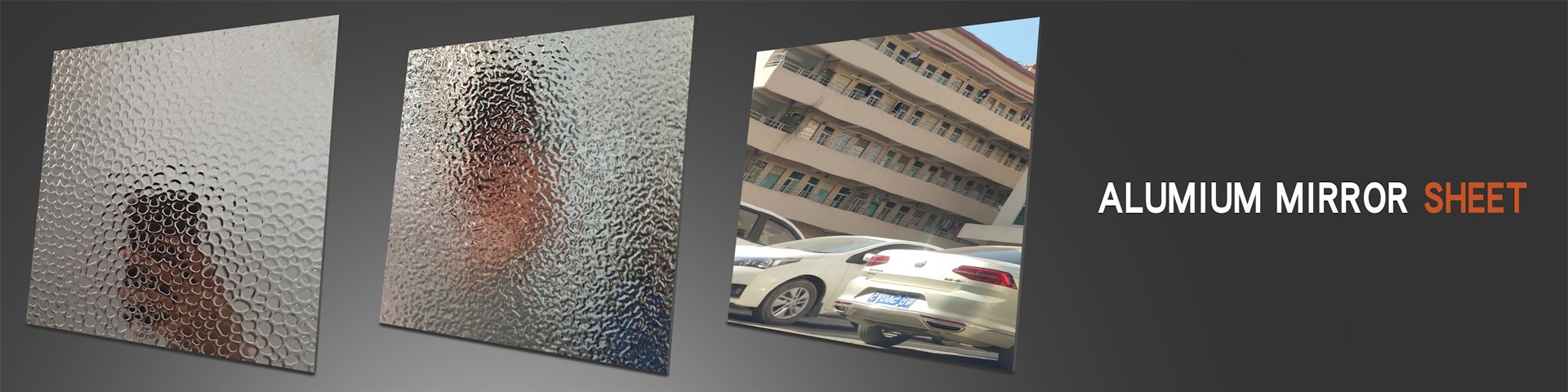
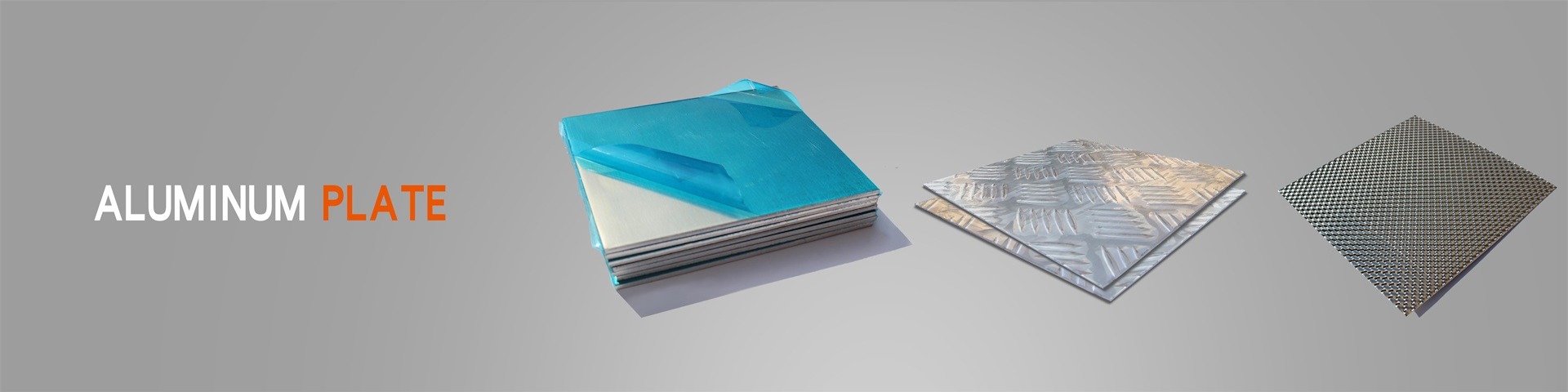
Дизайн будущего тонкие алюминиевые панели с узорами
В эпоху стремительного технологического прогресса и эволюции архитектурных решений дизайн интерьеров и экстерьеров постоянно трансформируется, предлагая новые, инновационные материалы и методы. Одним из таких передовых элементов, завоевывающих популярность среди дизайнеров, архитекторов и декораторов по всему миру, являются тонкие алюминиевые панели с узорами. Эти изделия не только эстетически привлекательны, но и функциональны, долговечны и экологичны, что делает их идеальным выбором для современного строительства и ремонта. В этой статье мы подробно рассмотрим, почему алюминиевые панели с узорами стали символом дизайна будущего, их преимущества, технологии производства, применение в различных сферах, а также будущие тенденции. Мы погрузимся в мир инноваций, где форма встречается с функцией, создавая пространства, которые вдохновляют и преображают.
Введение в мир алюминиевых панелей
Алюминий как материал известен человечеству уже более века, но его применение в дизайне и архитектуре постоянно эволюционирует. Изначально использовавшийся в авиационной и автомобильной промышленности благодаря своей легкости и прочности, алюминий постепенно нашел свое место в строительстве и интерьерном дизайне. Тонкие алюминиевые панели с узорами представляют собой современную интерпретацию этого материала, сочетающую в себе технологические достижения и художественное выражение. Эти панели изготавливаются из высококачественного алюминиевого сплава, который подвергается специальной обработке для создания intricate узоров – от геометрических мотивов до органических форм, имитирующих природу. Процесс производства включает лазерную резку, штамповку или химическое травление, что позволяет добиться высокой точности и детализации. В результате получаются легкие, но прочные панели, которые могут использоваться для облицовки фасадов, создания перегородок, декоративных элементов в интерьерах или даже в мебели. Их универсальность и адаптивность делают их незаменимым инструментом для дизайнеров, стремящихся создать уникальные и функциональные пространства.
История использования алюминия в дизайне уходит корнями в начало XX века, когда такие пионеры, как Ле Корбюзье, начали экспериментировать с металлами в архитектуре. Однако массовое производство алюминиевых панелей стало возможным лишь с развитием технологий во второй половине века. В 1970-х годах, с появлением компьютерного проектирования (CAD), дизайнеры получили возможность создавать более сложные узоры и формы. Сегодня, с advancements в области цифрового производства, such as 3D-печать и роботизированная сборка, алюминиевые панели с узорами достигли нового уровня sophistication. Они не только украшают пространства, но и выполняют практические функции, такие как улучшение акустики, теплоизоляция или даже интеграция с умными системами, например, встраивание светодиодов для динамического освещения. Это делает их не просто decorative elements, а integral parts of modern design, способными трансформировать environments в соответствии с потребностями пользователей.
Why are thin aluminum panels with patterns considered the design of the future? Firstly, они отвечают на растущий спрос на sustainability и eco-friendliness в строительстве. Алюминий является одним из наиболее перерабатываемых материалов в мире – до 95% его может быть reused без потери качества. Это значительно снижает environmental impact по сравнению с традиционными материалами, такими как дерево или пластик. Кроме того, тонкие панели требуют меньше сырья для производства, что further minimizes waste. Во-вторых, их эстетическая гибкость позволяет создавать бесконечное разнообразие дизайнов, от минималистичных и современных до классических и ornate, catering to diverse tastes and styles. В-третьих, durability алюминия ensures that these panels can withstand harsh weather conditions, corrosion, and wear, making them ideal for both indoor and outdoor use. As we move towards a more connected and technology-driven world, the integration of smart features into these panels, such as sensors or interactive elements, opens up new possibilities for interactive and adaptive environments. Thus, thin aluminum panels with patterns are not just a trend but a cornerstone of future design, blending art, function, and innovation.
Преимущества тонких алюминиевых панелей с узорами
Одним из ключевых преимуществ тонких алюминиевых панелей с узорами является их исключительная прочность и долговечность. Алюминий, как материал, обладает высокой устойчивостью к коррозии благодаря natural oxide layer that forms on its surface, which can be enhanced through anodizing or powder coating processes. This makes the panels ideal for exterior applications, such as facade cladding, where they are exposed to rain, UV radiation, and temperature fluctuations. Unlike materials like wood or vinyl, which may warp, fade, or degrade over time, aluminum maintains its structural integrity and appearance for decades with minimal maintenance. For instance, in coastal areas with high salt content in the air, aluminum panels resist salt-induced corrosion better than steel or other metals. Additionally, the thin profile of these panels does not compromise their strength; advanced alloys and manufacturing techniques ensure that they can support significant loads without bending or breaking. This durability translates to cost savings over the long term, as reduced need for repairs or replacements lowers overall lifecycle costs for buildings and interiors.
Another significant advantage is the lightweight nature of aluminum panels. Weighing approximately one-third of steel, aluminum is easy to transport, handle, and install, which reduces labor costs and construction time. This is particularly beneficial in high-rise buildings or renovation projects where weight constraints are a concern. The lightness also allows for creative applications, such as suspended ceilings or decorative screens that would be impractical with heavier materials. Moreover, the thinness of the panels enables intricate patterns to be cut without adding bulk, preserving a sleek and modern aesthetic. For example, in interior design, thin aluminum panels can be used to create delicate room dividers or accent walls that do not occupy valuable space, enhancing the perception of openness and flow in a room. The combination of strength and lightness makes these panels a versatile choice for architects and designers seeking to push the boundaries of form and function.
Эстетическая привлекательность тонких алюминиевых панелей с узорами невозможно переоценить. Узоры могут быть customized to suit any design vision, from abstract geometric designs that evoke a sense of modernity to floral or cultural motifs that add a touch of tradition and warmth. The use of digital fabrication technologies allows for high precision and complexity, enabling designs that were previously impossible to achieve. For instance, laser cutting can produce patterns with micron-level accuracy, creating visual effects like moiré or shadow play when light passes through. This dynamic interaction with light adds depth and movement to spaces, making them more engaging and immersive. In terms of finish, aluminum panels can be anodized, painted, or coated in a variety of colors and textures, from metallic shines to matte surfaces, further enhancing their visual appeal. This flexibility allows designers to match the panels with existing decor or create bold statements that become focal points in a room. As a result, these panels are not just functional elements but works of art that elevate the overall design narrative of a space.
С точки зрения экологичности, тонкие алюминиевые панели предлагают compelling benefits. Алюминий is highly recyclable, and the recycling process requires only 5% of the energy needed to produce primary aluminum from bauxite ore. This makes it a sustainable choice for green building certifications like LEED or BREEAM. Additionally, the production of thin panels minimizes material waste, as advanced cutting techniques optimize the use of raw sheets. Many manufacturers also use recycled aluminum in their products, further reducing the environmental footprint. In terms of energy efficiency, aluminum panels can be integrated with insulation materials or designed to facilitate natural ventilation, contributing to better thermal performance in buildings. For example, perforated patterns can allow air flow while providing shade, reducing the need for artificial cooling. This alignment with sustainability trends positions aluminum panels as a forward-thinking solution for environmentally conscious projects, helping to reduce carbon emissions and promote circular economy principles in the construction industry.
Технологии производства и инновации
Производство тонких алюминиевых панелей с узорами relies on advanced technologies that have evolved significantly over the years. The process typically begins with the selection of high-quality aluminum alloys, such as 5000 or 6000 series, which offer a balance of strength, formability, and corrosion resistance. These alloys are rolled into thin sheets, often with thicknesses ranging from 0.5mm to 3mm, depending on the application. The key step is pattern creation, which can be achieved through several methods. Laser cutting is one of the most precise techniques, using a high-powered laser to vaporize material and create intricate designs with clean edges. This method is ideal for complex patterns and allows for rapid prototyping and customization. Another common method is stamping or pressing, where a die is used to impress patterns into the aluminum sheet under high pressure. This is cost-effective for mass production but may have limitations in detail compared to laser cutting. Additionally, chemical etching or milling can be used for subtle textures or fine details.
Innovations in digital design and manufacturing have revolutionized this field. Computer-aided design (CAD) software enables designers to create and visualize patterns in 3D, ensuring accuracy before production. Tools like parametric design allow for algorithms to generate patterns based on specific parameters, such as light optimization or structural requirements, leading to highly efficient and unique designs. For instance, in responsive architecture, patterns can be designed to change based on environmental factors, like sunlight or wind, using sensors embedded in the panels. Additive manufacturing, or 3D printing, is also emerging as a method for creating custom aluminum components, though it is more commonly used for prototypes due to cost constraints. Furthermore, the integration of smart technologies is a growing trend. Panels can be equipped with LEDs, sensors, or even photovoltaic cells to harvest solar energy, turning them into active elements that contribute to building functionality. These innovations not only enhance the aesthetic appeal but also expand the practical applications of aluminum panels in smart cities and IoT-enabled environments.
Quality control is paramount in the production process to ensure that the panels meet industry standards for safety and performance. This includes testing for mechanical properties like tensile strength and hardness, as well as environmental resistance through salt spray tests or weathering simulations. Advanced non-destructive testing methods, such as ultrasonic or X-ray inspection, are used to detect any internal defects. Additionally, surface treatments like anodizing or powder coating are applied to improve durability and appearance. Anodizing involves electrolytic passivation that increases corrosion resistance and allows for color dyeing, while powder coating provides a thick, durable finish that is resistant to chipping and fading. These processes are carefully monitored to achieve consistent results across batches. As technology advances, automation and robotics are being increasingly adopted in factories to enhance precision and reduce human error, leading to higher quality products at lower costs. This continuous innovation ensures that thin aluminum panels with patterns remain at the forefront of design technology, offering reliable and cutting-edge solutions for modern architecture and interior design.
Применение в архитектуре и интерьере
В архитектуре тонкие алюминиевые панели с узорами нашли широкое применение для облицовки фасадов зданий. Они не только защищают структуру от внешних воздействий, но и придают зданиям уникальный и современный вид. Например, в коммерческих зданиях, таких как офисные центры или торговые комплексы, алюминиевые панели могут использоваться для создания динамических фасадов, которые меняют свой облик в зависимости от угла зрения или освещения. Узоры могут быть designed to reduce solar heat gain by providing shade, thus improving energy efficiency. In residential architecture, these panels are used for accent walls, balconies, or entranceways, adding a touch of elegance and individuality to homes. The lightweight nature of aluminum makes it suitable for retrofitting existing buildings without overloading the structure, facilitating sustainable urban renewal projects. Additionally, in public buildings like museums or theaters, patterned panels can serve as artistic expressions that reflect cultural themes or historical narratives, enhancing the building's identity and community engagement.
В интерьерном дизайне тонкие алюминиевые панели предлагают бесконечные возможности для творчества. Они могут использоваться для создания перегородок, которые зонируют пространство без ощущения массивности, сохраняя визуальную связность. Например, в open-plan offices, patterned panels can define work areas while allowing light and air to flow through, promoting a collaborative and healthy environment. In residential interiors, these panels are popular for feature walls, ceilings, or even as backsplashes in kitchens and bathrooms, where their durability and easy cleaning are advantageous. The patterns can be chosen to complement the overall style – minimalist designs for a contemporary look or intricate motifs for a more traditional ambiance. Moreover, aluminum panels can be combined with other materials, such as glass or wood, to create mixed-media installations that add depth and texture. For instance, a panel with a laser-cut pattern behind a glass layer can create a stunning visual effect with layered shadows. This versatility makes them a favorite among interior designers seeking to inject personality and innovation into spaces.
Beyond aesthetics, тонкие алюминиевые панели с узорами выполняют функциональные роли в дизайне. В акустических applications, perforated patterns can be designed to absorb sound, making them ideal for spaces like concert halls, classrooms, or restaurants where noise control is important. The perforations allow sound waves to enter and be dampened by acoustic insulation behind the panels, improving auditory comfort. In terms of lighting, panels can be used as diffusers or reflectors for LED systems, creating ambient lighting effects that enhance mood and atmosphere. For example, in retail environments backlit aluminum panels can highlight products and attract customers. Additionally, in healthcare settings, the hygienic properties of aluminum – it is non-porous and easy to disinfect – make it suitable for walls or ceilings in hospitals or labs. The integration of technology, such as touch-sensitive surfaces or display screens, further expands their utility. As smart homes and buildings become more prevalent, these panels can serve as interfaces for control systems, blending seamlessly into the design while offering advanced functionality. This multifunctionality underscores why they are considered a key element in the future of design, capable of addressing both practical needs and aesthetic desires.
Будущие тенденции и заключение
Смотря в будущее, тенденции в использовании тонких алюминиевых панелей с узорами указывают на еще большую интеграцию с технологиями и устойчивым развитием. One emerging trend is the use of bio-inspired designs, where patterns mimic natural forms like leaf venation or animal camouflage, not only for beauty but also for functional benefits such as improved aerodynamics or thermal regulation. For instance, algorithms based on biomimicry can optimize patterns for maximum efficiency in energy savings. Another trend is personalization through on-demand manufacturing, where consumers can design their own patterns using online tools and have panels produced quickly via digital fabrication, making custom design accessible to a wider audience. In terms of sustainability, we can expect increased use of recycled aluminum and closed-loop production systems that minimize waste. Additionally, the rise of smart materials may lead to panels that change color or pattern in response to environmental stimuli, such as temperature or humidity, creating dynamic and adaptive environments.
The role of thin aluminum panels with patterns in the future of design is poised to grow as urban populations increase and the demand for efficient, beautiful spaces rises. In smart cities, these panels could be used in infrastructure projects, such as noise barriers on highways or decorative elements in public parks, enhancing urban aesthetics while serving practical purposes. The integration with renewable energy sources, like embedding solar cells into panels, could turn buildings into power generators, contributing to energy independence. Furthermore, as virtual and augmented reality technologies advance, designers may use these panels to create immersive experiences, such as interactive facades that respond to user movements or displays. Education and collaboration will also play a key role; workshops and exhibitions showcasing the possibilities of aluminum panels can inspire new generations of designers to innovate. Ultimately, the future will see these panels becoming more intelligent, sustainable, and integral to our built environment, blurring the lines between art, technology, and architecture.
В заключение, тонкие алюминиевые панели с узорами представляют собой не просто модный тренд, а фундаментальный сдвиг в подходе к дизайну. Они сочетают в себе прочность, легкий вес, эстетическую гибкость и экологичность, делая их идеальным выбором для современных проектов. От фасадов небоскребов до интерьеров жилых домов, эти панели демонстрируют, как инновации могут преобразовать пространства, делая их более функциональными, красивыми и устойчивыми. По мере развития технологий мы можем ожидать еще более впечатляющих применений, которые продолжат определять дизайн будущего. Для дизайнеров, архитекторов и всех, кто интересуется созданием inspiring environments, освоение потенциала алюминиевых панелей с узорами открывает doors to endless creativity and progress. Embrace this revolution in design and be part of shaping the spaces of tomorrow.