
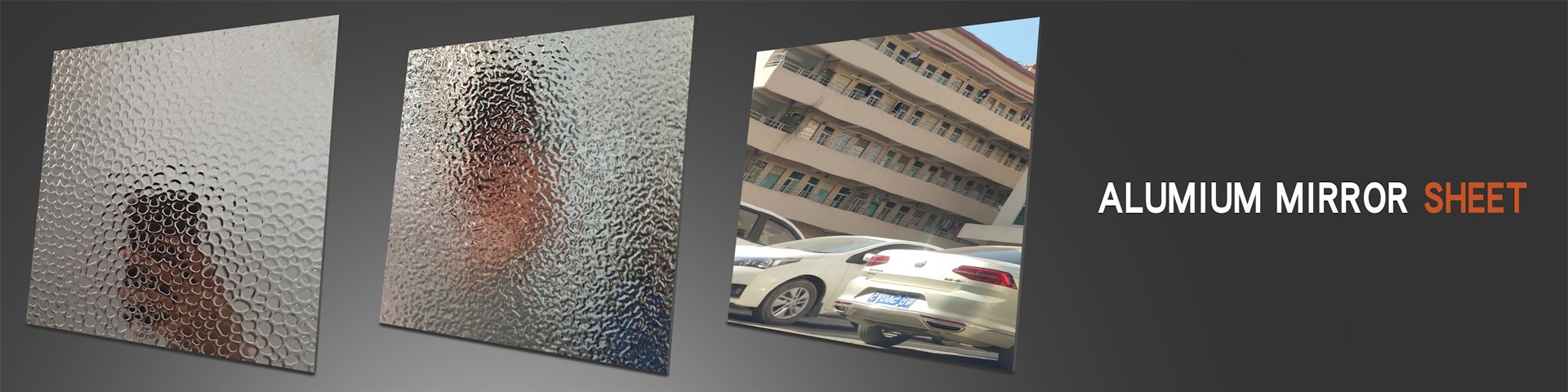
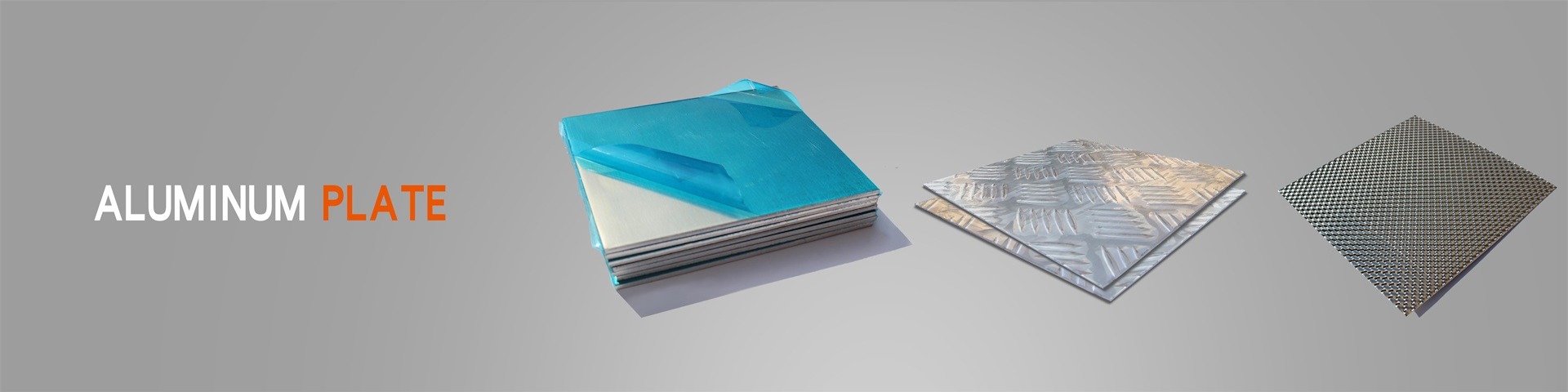
Алюминиевый лист тонкий и прочный выбор для ваших проектов
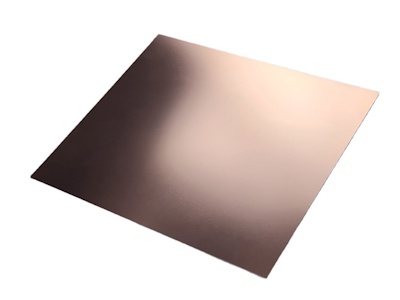
В современном мире, где инновации и эффективность становятся ключевыми факторами успеха, выбор материалов для проектов играет решающую роль. Среди множества вариантов алюминиевый лист выделяется своей универсальностью, прочностью и легкостью. Эта статья предлагает глубокий анализ того, почему тонкие и прочные алюминиевые листы являются оптимальным выбором для широкого спектра применений, от строительства и промышленности до дизайна и искусства. Мы рассмотрим историю алюминия, его свойства, преимущества, практические применения, а также сравним его с другими материалами, чтобы предоставить вам исчерпывающее руководство для принятия обоснованных решений в ваших проектах.
Введение в алюминий и его историческое значение
Алюминий, как материал, имеет богатую историю, уходящую корнями в XIX век. Впервые выделенный в чистом виде в 1825 году датским ученым Хансом Кристианом Эрстедом, алюминий быстро стал символом прогресса и инноваций. Изначально его производство было крайне дорогостоящим, что делало его более ценным, чем золото, но с развитием электролитического процесса в конце XIX века, предложенного Чарльзом Мартином Холлом и Полом Эру, стоимость резко снизилась, открыв путь для массового применения. Сегодня алюминий является одним из самых распространенных металлов на Земле, занимая третье место после кислорода и кремния по abundance в земной коре. Его легкость, составляющая примерно одну треть плотности стали, в сочетании с высокой прочностью, делает его идеальным для countless применений. Тонкие алюминиевые листы, в частности, представляют собой продукт advanced технологий прокатки и обработки, позволяющий создавать материалы толщиной от долей миллиметра, сохраняя при этом structural integrity. Это делает их незаменимыми в областях, где вес и прочность являются критическими факторами, таких как аэрокосмическая промышленность, автомобилестроение и строительство. В этой статье мы углубимся в то, как these свойства translate в реальные benefits для ваших проектов, предоставляя practical insights и examples.
Основные свойства алюминиевых листов: почему они тонкие и прочные
Алюминиевые листы обладают уникальным набором свойств, которые делают их exceptionally подходящими для проектов, требующих сочетания легкого веса и высокой прочности. Во-первых, алюминий имеет low density, примерно 2.7 g/cm³, что значительно меньше, чем у стали (7.8 g/cm³) или меди (8.96 g/cm³). Это означает, что для того же объема алюминиевый лист будет much lighter, reducing overall weight в конструкциях, что особенно важно в transportation и aerospace, где каждый килограмм saved translates в экономию топлива и improved performance. Во-вторых, алюминий обладает excellent strength-to-weight ratio. Благодаря сплавам, таким как серии 1000, 3000, 5000, и 6000, которые добавляют элементы like manganese, magnesium, или silicon, прочность алюминия может быть significantly enhanced без substantial увеличения веса. Например, алюминиевые сплавы серии 6000, commonly used в строительстве, offer yield strength до 300 MPa, что comparable с некоторыми сталями, но при much lower weight. Тонкие листы, typically defined как having thickness менее 6 mm, often изготавливаются из этих сплавов through processes like cold rolling, which improves their hardness and surface finish. Additionally, алюминий обладает high corrosion resistance due to formation of a protective oxide layer на поверхности, which prevents further oxidation и extends lifespan. This property makes it ideal for outdoor applications или в агрессивных средах, such as marine или chemical industries. Furthermore, алюминий is highly malleable и ductile, allowing it to be easily formed into complex shapes without cracking, which is crucial для manufacturing processes like stamping или bending. Его thermal и electrical conductivity также high, making it suitable для heat exchangers или electrical applications. Наконец, алюминий is 100% recyclable без loss of quality, contributing to sustainability и reducing environmental impact. В совокупности, these properties ensure that тонкие алюминиевые листы provide a robust и efficient solution для diverse projects.
Преимущества использования тонких алюминиевых листов в различных отраслях
Использование тонких алюминиевых листов предлагает numerous advantages across multiple industries, making them a preferred choice for engineers, designers, and project managers. В строительстве, например, алюминиевые листы используются для roofing, cladding, и оконных рам due to their durability, lightness, and aesthetic appeal. Они resist weathering и require minimal maintenance, reducing long-term costs. В automotive industry, тонкие листы применяются для body panels и structural components, helping to reduce vehicle weight и improve fuel efficiency, which is critical in era of stringent emissions regulations. В aerospace, алюминий is foundational material для aircraft fuselages и wings, where its high strength-to-weight ratio is essential для safety и performance. В electronics, алюминиевые листы serve as heat sinks или enclosures, leveraging their thermal conductivity to dissipate heat effectively. В packaging industry, thin aluminum foils are used for food wrapping due to their barrier properties against light, oxygen, and moisture, ensuring product freshness. В art и design, алюминиевые листы offer a versatile medium для sculptures, installations, и architectural elements, allowing for creative expressions with modern aesthetic. Additionally, в renewable energy sectors, such as solar panels, алюминий используется для frames и mounting systems due to its corrosion resistance и light weight. The versatility of aluminum sheets means that они can be tailored to specific needs through alloy selection, thickness adjustment, и surface treatments like anodizing или painting, enhancing their functionality и appearance. Overall, the benefits include cost savings from reduced weight и maintenance, environmental benefits from recyclability, и performance enhancements from superior mechanical properties.
Практические применения: case studies и examples
Чтобы иллюстрировать эффективность тонких алюминиевых листов, рассмотрим несколько реальных примеров из разных отраслей. В строительстве, проект Burj Khalifa в Дубае utilized aluminum extensively для оконных frames и cladding, capitalizing на its light weight чтобы reduce structural load и its corrosion resistance для durability в harsh desert environment. Это позволило achieve world's tallest building с enhanced energy efficiency. В automotive, Tesla Model S employs aluminum body panels чтобы снизить weight и increase range, demonstrating how thin sheets contribute to electric vehicle innovation. В aerospace, Boeing 787 Dreamliner uses advanced aluminum alloys для parts of the airframe, balancing strength и weight чтобы improve fuel economy и reduce emissions. В consumer electronics, Apple's MacBook laptops feature aluminum unibody designs, providing sleek aesthetics, robustness, и effective heat management. В packaging, companies like Coca-Cola use aluminum cans для beverages due to their ability to preserve taste и be easily recycled. В art, sculptor Anish Kapoor's works often incorporate polished aluminum sheets чтобы create reflective surfaces that engage viewers. Эти examples highlight how тонкие алюминиевые листы enable innovation и efficiency across sectors. Для ваших проектов, whether it's a small DIY endeavor или large-scale industrial application, considering aluminum sheets can lead to similar successes through careful selection based on specific requirements such as load-bearing capacity, environmental conditions, и aesthetic preferences.
Сравнение с другими материалами: почему алюминий outperforms
При выборе материалов для проектов, важно сравнивать алюминий с alternatives like steel, plastic, или composite materials. Сталь, например, offers higher tensile strength но значительно heavier, что может lead to increased costs из-за необходимости более robust support structures и higher transportation expenses. Алюминий, с его lighter weight, provides comparable strength в many applications без этих drawbacks. Пластики lightweight и corrosion-resistant но often lack the mechanical strength и thermal stability алюминия, making them unsuitable для high-stress или high-temperature environments. Composite materials, such as carbon fiber, offer excellent strength-to-weight ratio но are much more expensive и difficult to recycle compared to aluminum. Алюминий также boasts better sustainability profile; it is infinitely recyclable с energy savings до 95% compared to primary production, whereas steel recycling saves about 60-70% energy, а plastics often downcycle или end up in landfills. Кроме того, алюминий имеет superior fire resistance compared to plastics и composites, which can melt или release toxic fumes. В terms of cost, алюминиевые листы may have higher initial price чем некоторые материалы, но their long-term benefits in reduced maintenance, weight savings, и recyclability often result in lower total cost of ownership. Для instance, в transportation, reduced weight leads to fuel savings that offset material costs over time. Таким образом, алюминий frequently emerges as the optimal choice когда综合考虑 performance, cost, и environmental impact.
Как выбрать правильный алюминиевый лист для вашего проекта
Выбор appropriate алюминиевого листа involves considering several factors чтобы ensure it meets the specific demands of your project. First, determine the required thickness: тонкие листы (менее 6 mm) ideal для applications где weight savings critical, такие как packaging или electronics, в то время как thicker sheets may be needed для structural roles. Second, select the right alloy: серия 1000 (чистый алюминий) offers excellent corrosion resistance но lower strength, подходит для chemical tanks; серия 3000 (с manganese) provides good formability,常用于 cooking utensils; серия 5000 (с magnesium) has high strength и weldability, идеален для marine applications; серия 6000 (с magnesium и silicon) offers balanced properties для architectural uses; и серия 7000 (с zinc) provides the highest strength для aerospace. Third, consider surface treatment: anodizing enhances corrosion resistance и allows for coloring; painting или powder coating adds aesthetic appeal и protection; polishing gives a reflective finish для decorative purposes. Fourth, evaluate environmental factors: для outdoor projects, choose alloys с enhanced corrosion resistance; для high-temperature applications, ensure the alloy can withstand the heat без losing properties. Fifth, factor in fabrication requirements: если проект involves bending или welding, select alloys с good formability и weldability. Наконец, consult with suppliers или engineers чтобы get technical data sheets и samples для testing. By taking a systematic approach, you can optimize performance и cost-effectiveness для вашего проекта.
Будущее алюминиевых листов: trends и инновации
Будущее алюминиевых листов looks promising с ongoing advancements в technology и growing emphasis на sustainability. One key trend is the development of advanced alloys с improved properties, such as aluminum-lithium alloys для aerospace, которые offer even higher strength-to-weight ratios. Another innovation is in manufacturing processes, like additive manufacturing (3D printing) с aluminum, enabling complex geometries и custom designs без traditional limitations. В области sustainability, efforts are focused на increasing recycling rates и reducing carbon footprint of production through renewable energy sources. For example, many manufacturers are adopting green aluminum, produced with low-carbon methods, чтобы appeal to environmentally conscious markets. Additionally, smart materials интегрирующие sensors или coatings для self-healing или energy harvesting are being explored, which could revolutionize applications в construction или transportation. The rise of electric vehicles и renewable energy systems will further drive demand для lightweight алюминиевых components. В design, trends towards minimalism и sustainability favor aluminum за его sleek appearance и eco-friendly credentials. Для ваших проектов, staying informed about these innovations can provide competitive advantages, allowing you to leverage cutting-edge materials для enhanced performance и sustainability. As global challenges like climate change intensify, алюминий will continue to play a vital role в creating efficient и resilient solutions.
Заключение: почему алюминиевый лист - ваш лучший выбор
В заключение, тонкие и прочные алюминиевые листы представляют собой exceptional material choice для wide range of projects due to their unique combination of lightness, strength, durability, и sustainability. От строительства и транспорта до искусства и упаковки, их versatility и performance benefits make them a smart investment для achieving efficiency, cost savings, и environmental goals. By understanding their properties, advantages, и practical applications, вы можете make informed decisions чтобы optimize ваши проекты. Whether you are an engineer, designer, или hobbyist, incorporating aluminum sheets can lead to innovative outcomes и long-term success. As technology evolves, алюминий will remain at the forefront of material science, offering new opportunities для creativity и efficiency. So, для вашего следующего проекта, consider алюминиевый лист – тонкий, прочный, и надежный выбор that delivers results.
Эта статья предоставила comprehensive overview, но всегда рекомендуется consult with experts или conduct tests чтобы ensure the best fit для ваших specific needs. Удачи в ваших endeavors!