
Алюминиевые панели выдерживают любые погодные условия годами надежно и без потерь
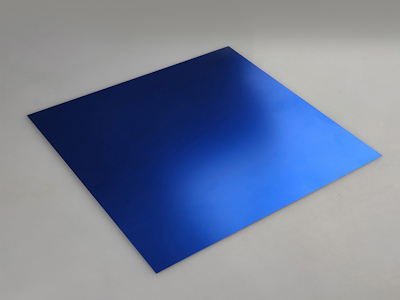
В современном мире строительства и архитектуры выбор материалов играет ключевую роль в обеспечении долговечности, безопасности и эстетики зданий. Среди множества вариантов алюминиевые панели выделяются как один из самых надежных и универсальных решений. Их способность противостоять любым погодным условиям – от палящего солнца до экстремальных морозов, от проливных дождей до ураганных ветров – делает их незаменимыми для проектов, где важна стабильность и минимальное обслуживание. В этой статье мы глубоко погрузимся в мир алюминиевых панелей, исследуя их свойства, преимущества, применение и научные основы, которые обеспечивают их невероятную устойчивость. Мы также рассмотрим реальные примеры из практики, сравним с альтернативными материалами и дадим практические советы по выбору и использованию. Приготовьтесь к подробному путешествию, которое раскроет все секреты этого удивительного материала.
Введение в алюминиевые панели: что это и почему они так популярны
Алюминиевые панели – это композитные или монолитные конструкции, изготовленные из алюминия и часто дополненные изоляционными или защитными слоями. Их история начинается с середины XX века, когда алюминий стал широко использоваться в строительстве благодаря своему легкому весу, прочности и коррозионной стойкости. Сегодня они применяются в фасадах зданий, кровлях, внутренней отделке и даже в специализированных областях, таких как авиация или автомобильная промышленность. Популярность алюминиевых панелей обусловлена их универсальностью: они могут быть окрашены в любой цвет, иметь различную текстуру и форму, что позволяет архитекторам реализовывать самые смелые дизайнерские идеи. Но главное – их способность годами выдерживать harsh погодные условия без потерь в качестве или внешнем виде. Это не просто маркетинговый ход, а научно доказанный факт, основанный на свойствах алюминия как материала.
Алюминий, как элемент, обладает уникальной комбинацией характеристик: он легкий (плотность около 2,7 г/см³, что в три раза меньше, чем у стали), прочный (особенно в сплавах), и обладает естественной устойчивостью к коррозии благодаря образованию защитной оксидной пленки. Эта пленка, толщиной всего несколько нанометров, предотвращает дальнейшее окисление, делая алюминий идеальным для наружного применения. В панелях алюминий часто комбинируется с другими материалами, такими как полиэтилен или минеральные наполнители, чтобы enhance их изоляционные или механические свойства. Например, алюминиевые композитные панели (АКП) состоят из двух алюминиевых листов и сердцевины из полиэтилена, что обеспечивает дополнительную прочность и теплоизоляцию. Такая конструкция позволяет панелям not only withstand погодные условия, but also contribute to energy efficiency of buildings.
Why are aluminum panels so reliable in weather resistance? The answer lies in their inherent properties and advanced manufacturing processes. Aluminum does not rust like iron or steel; instead, it forms a passive layer that protects it from moisture, UV radiation, and temperature fluctuations. Moreover, modern coatings, such as PVDF (polyvinylidene fluoride) or anodizing, further enhance this resistance. PVDF coatings, for instance, provide excellent weatherability, color retention, and resistance to chalking, ensuring that panels look new for decades. Anodizing creates a thicker oxide layer that improves hardness and durability. These treatments make aluminum panels capable of handling everything from tropical humidity to Arctic cold without degradation. In tests, aluminum panels have been exposed to accelerated weathering conditions equivalent to 20-30 years of real-world use, showing minimal changes in appearance or performance. This reliability translates to lower maintenance costs and longer lifespans for structures, making them a cost-effective choice in the long run.
Научные основы устойчивости алюминиевых панелей к погодным условиям
Чтобы fully appreciate, почему алюминиевые панели так эффективно противостоят погодным условиям, необходимо понять science behind их поведения. Алюминий – это металл с высоким коэффициентом теплового расширения, но в панелях это компенсируется конструкцией, которая允许 for movement without cracking. Additionally, its thermal conductivity is high, which can be a drawback for insulation, but in composite panels, the core materials like polyethylene or fire-retardant minerals mitigate this, providing good thermal performance. The key to weather resistance is the oxide layer. When aluminum is exposed to air, it instantly forms a thin layer of aluminum oxide (Al2O3), which is very stable and impermeable to water and oxygen. This layer self-heals if scratched, ensuring continuous protection. In contrast, materials like steel require galvanization or painting to prevent rust, which can degrade over time.
UV radiation from the sun is a major factor in material degradation, causing fading, brittleness, and loss of strength in many materials. However, aluminum and its coatings are highly UV-resistant. PVDF coatings, for example, have excellent UV stability due to their chemical structure, which minimizes photo-degradation. Studies show that PVDF-coated aluminum panels retain over 90% of their color and gloss after 10-15 years of exposure, whereas painted steel might show significant fading. Temperature extremes also play a role. Aluminum has a melting point of 660°C, but in normal weather conditions, temperatures range from -50°C to 50°C. Aluminum panels maintain their mechanical properties across this range; they don't become brittle in cold or soften excessively in heat. For instance, in Arctic regions, aluminum panels are used in buildings because they withstand freeze-thaw cycles without cracking, unlike some ceramics or plastics.
Moisture and humidity are other challenges. Aluminum's oxide layer prevents water penetration, reducing the risk of corrosion. In coastal areas with salt spray, aluminum performs better than many metals because the oxide layer resists salt-induced corrosion. Tests in salt fog chambers show that aluminum panels with proper coatings have corrosion rates orders of magnitude lower than untreated steel. Wind loads are also critical; aluminum panels are designed to resist high winds due to their strength and flexibility. They can be engineered to meet specific wind pressure ratings, making them suitable for hurricane-prone areas. For example, after Hurricane Katrina, many buildings with aluminum panel facades remained intact, while others suffered damage. The combination of material science and engineering ensures that aluminum panels are not just resistant but optimized for diverse weather conditions.
Преимущества алюминиевых панелей beyond weather resistance
While weather resistance is a standout feature, aluminum panels offer numerous other benefits that make them a top choice in construction. First, their light weight reduces the structural load on buildings, allowing for lighter foundations and frameworks, which can lower construction costs and enable designs that would be impossible with heavier materials like stone or concrete. A typical aluminum panel weighs about 5-10 kg/m², compared to 20-30 kg/m² for glass or 40-50 kg/m² for granite. This weight savings is particularly important in high-rise buildings or retrofitting projects where adding extra load is problematic.
Second, aluminum is highly recyclable, with over 75% of all aluminum ever produced still in use today. Recycling aluminum requires only 5% of the energy needed to produce new aluminum, making it an environmentally friendly option. This aligns with growing sustainability trends in construction, such as LEED certification. Panels can be made from recycled content and are themselves recyclable at the end of their life, reducing waste and carbon footprint. Third, aluminum panels offer excellent fire resistance when designed with fire-retardant cores. For instance, A2-rated composite panels have mineral cores that prevent fire spread, meeting strict building codes. This is crucial for safety in residential and commercial buildings.
Fourth, the aesthetic versatility is unmatched. Aluminum panels can be fabricated in various shapes, sizes, and finishes – from matte to glossy, from smooth to textured. They can mimic other materials like wood or stone at a fraction of the weight and cost. Digital printing technology allows for custom patterns and images to be applied directly to the panels, enabling unique architectural expressions. Fifth, installation is relatively quick and easy due to their modular nature. Panels are prefabricated off-site, reducing on-site labor time and disruptions. This speeds up project timelines and can lead to cost savings. Lastly, durability translates to low maintenance. Unlike wood that needs painting or steel that rusts, aluminum panels require occasional cleaning with water and mild detergent, saving time and money over the decades.
Реальные примеры и тематические исследования
To illustrate the reliability of aluminum panels, let's look at some real-world examples. One iconic case is the Burj Khalifa in Dubai, the world's tallest building. Its facade extensively uses aluminum panels because they can withstand the extreme heat, sandstorms, and high winds of the desert climate. Despite years of exposure, the panels show no signs of deterioration, maintaining the building's sleek appearance. Another example is the Oslo Opera House in Norway, where aluminum panels were chosen for their ability to handle cold, snowy winters and coastal salinity. The panels have performed flawlessly, contributing to the building's energy efficiency and aesthetic appeal.
In residential construction, aluminum panels are gaining popularity for modern homes. For instance, a development in Florida, USA, uses aluminum panel cladding to protect against hurricanes and humid conditions. Post-storm inspections revealed that homes with aluminum panels had minimal damage compared to those with vinyl or wood siding. In industrial settings, such as warehouses or factories, aluminum panels provide durable roofing and wall systems that resist chemicals, UV radiation, and mechanical impacts. A case study from a chemical plant in Germany showed that aluminum panel roofs lasted over 30 years with only minor maintenance, while alternative materials needed replacement within 15 years.
These examples underscore the practical benefits. Moreover, certifications and standards, such as ISO 9001 for quality management or EN 13501 for fire performance, ensure that aluminum panels meet rigorous requirements. Testing laboratories conduct accelerated weathering tests, such as the QUV test for UV resistance or salt spray tests for corrosion, to validate claims. For consumers, this means peace of mind knowing that the product is backed by science and real-world performance.
Сравнение с альтернативными материалами
How do aluminum panels stack up against other common building materials? Let's compare with steel, wood, vinyl, and fiber cement. Steel is strong and cheap but prone to rust without protection, requiring regular maintenance. Galvanized steel offers better corrosion resistance but is heavier and less recyclable than aluminum. Wood provides a natural look but is susceptible to rot, insects, and fire, needing frequent treatment. Vinyl siding is low-cost and easy to install but can warp, fade, and become brittle in extreme weather, with a shorter lifespan of 20-30 years versus 50+ years for aluminum.
Fiber cement is durable and fire-resistant but heavy and can crack under impact or freeze-thaw cycles. It also requires painting over time. Aluminum panels outperform these in overall weather resistance, weight, and longevity. Cost-wise, aluminum panels might have a higher initial price than vinyl or wood, but their durability and low maintenance make them more economical in the long term. For example, over 50 years, the total cost of ownership for aluminum panels can be 20-30% lower than for materials that need replacement or repainting. Environmental impact is another factor; aluminum's recyclability gives it an edge over non-recyclable options like vinyl.
In terms of installation, aluminum panels are similar to other siding materials but offer better precision due to prefabrication. Energy efficiency is comparable when insulated cores are used, but aluminum's thermal conductivity can be a drawback if not properly addressed. However, with advances in thermal break technology, this issue is mitigated. Overall, aluminum panels provide a balanced combination of strength, lightness, durability, and sustainability that few materials can match.
Практические советы по выбору и использованию
If you're considering aluminum panels for your project, here are some tips. First, choose the right type: composite panels for facades offer insulation and aesthetics, while solid aluminum panels are better for structural applications. Check the coating – PVDF is best for high UV areas, anodized for hardness. Ensure the panels meet local building codes for fire safety and wind resistance. Second, work with reputable suppliers who provide warranties and test reports. Look for certifications like AAMA (American Architectural Manufacturers Association) for quality.
Third, consider the climate. In humid or coastal areas, opt for panels with enhanced corrosion protection. In cold regions, ensure they can handle thermal contraction. Fourth, plan for installation by professionals to avoid issues like improper sealing or alignment. Fifth, maintenance is minimal but important; clean panels annually with water and avoid abrasive cleaners to preserve the coating. Finally, think about end-of-life recycling; choose panels with high recycled content to support sustainability.
Заключение: будущее алюминиевых панелей
В заключение, алюминиевые панели представляют собой выдающееся решение для современного строительства, offering unmatched weather resistance, durability, and versatility. Their ability to withstand any climate for decades without loss makes them a smart investment for any project. As technology advances, we can expect even better performances – for example, with smart coatings that change color or integrate solar cells. The trend towards sustainable building will further boost their popularity due to recyclability and energy efficiency. Whether for a skyscraper, a home, or an industrial facility, aluminum panels provide reliability that stands the test of time and nature. Embrace this material for a future-proof, beautiful, and resilient construction.
This article has covered the essentials, but the depth of information available is vast. For more details, consult technical datasheets or speak with experts. Remember, choosing the right materials is key to long-term success in building projects. Aluminum panels are not just a product; they are a promise of endurance and excellence.