
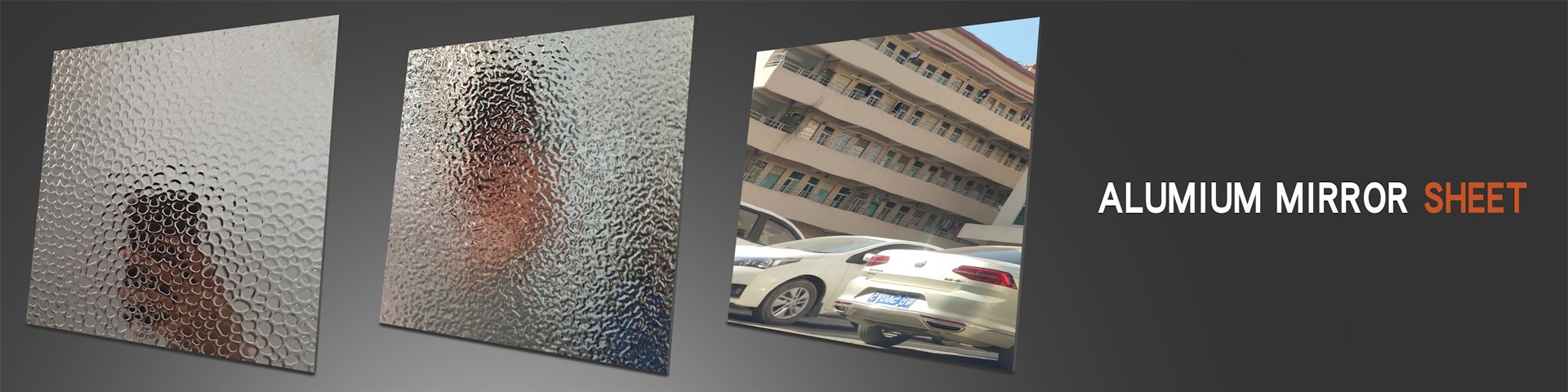
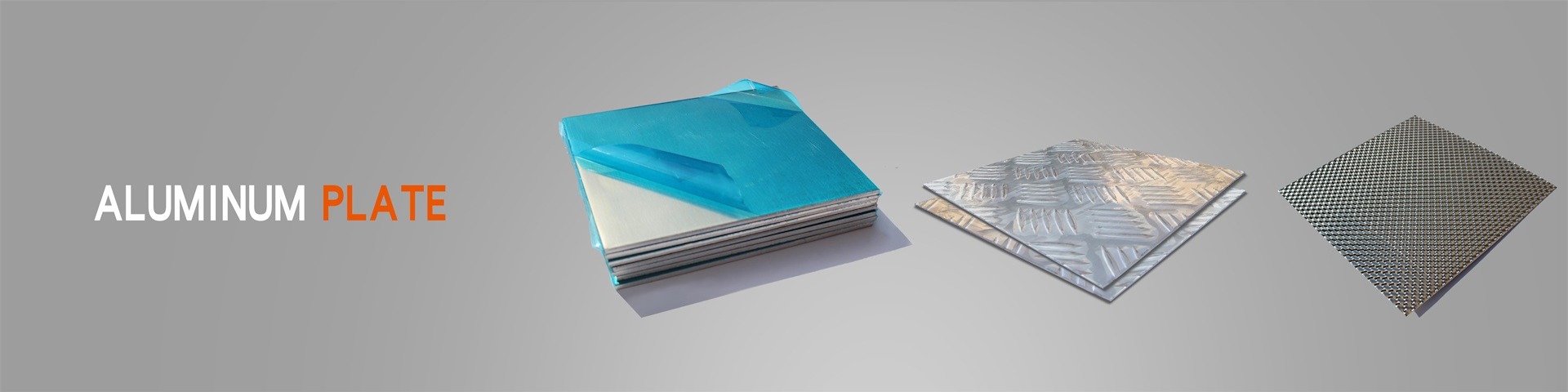
Уникальные параметры алюминиевых листов для вашего проекта
Алюминиевые листы – это универсальный материал, который находит применение в самых разнообразных отраслях, от строительства и автомобилестроения до аэрокосмической промышленности и бытовых изделий. Их популярность обусловлена уникальными свойствами, такими как легкость, коррозионная стойкость, высокая прочность и отличная теплопроводность. В этой статье мы подробно рассмотрим ключевые параметры алюминиевых листов, которые помогут вам сделать правильный выбор для вашего проекта. Мы обсудим типы алюминиевых сплавов, механические свойства, размеры, обработку поверхности и многое другое, чтобы вы могли максимально эффективно использовать этот материал.
1. Введение в алюминиевые листы
Алюминий – это третий по распространенности элемент в земной коре, и его использование в промышленности началось еще в XIX веке. Благодаря своим уникальным свойствам, алюминий быстро стал одним из самых востребованных материалов. Алюминиевые листы производятся путем прокатки алюминиевых слитков или заготовок до определенной толщины. Этот процесс позволяет получить листы с различными параметрами, которые можно адаптировать под конкретные нужды.
История использования алюминия насчитывает более ста лет. Первые коммерческие применения алюминия были ограничены из-за высокой стоимости производства, но с развитием технологий, таких как электролиз, производство стало более экономичным. Сегодня алюминий используется повсеместно: от упаковки напитков до строительства небоскребов. Алюминиевые листы, в частности, играют ключевую роль в многих инженерных и дизайнерских проектах благодаря своей универсальности.
Преимущества алюминиевых листов включают в себя:
- Легкость: алюминий имеет плотность около 2,7 г/см³, что делает его значительно легче стали.
- Коррозионная стойкость: алюминий естественным образом образует защитную оксидную пленку, которая предотвращает дальнейшее окисление.
- Высокая прочность: особенно в сплавах, алюминий может быть очень прочным и долговечным.
- Теплопроводность: алюминий отлично проводит тепло, что делает его идеальным для теплообменников и других применений.
- Электропроводность: хотя и ниже, чем у меди, алюминий все же является хорошим проводником электричества.
- Экологичность: алюминий полностью перерабатывается без потери качества, что снижает воздействие на окружающую среду.
Эти свойства делают алюминиевые листы незаменимыми в современных проектах. Давайте углубимся в детали их параметров.
2. Типы алюминиевых сплавов
Алюминиевые листы изготавливаются из различных сплавов, каждый из которых обладает уникальными характеристиками. Сплав – это смесь алюминия с другими элементами, такими как медь, магний, кремний или цинк, чтобы улучшить определенные свойства. Классификация алюминиевых сплавов осуществляется по системе, разработанной Алюминиевой Ассоциацией (Aluminum Association), которая присваивает каждому сплаву четырехзначный номер.
Основные серии алюминиевых сплавов:
- Серия 1xxx: Чистый алюминий (содержание алюминия 99% и выше). Обладает отличной коррозионной стойкостью, высокой электропроводностью и пластичностью, но низкой прочностью. Применяется в электротехнике, упаковке и декоративных элементах.
- Серия 2xxx: Сплав с медью. Высокая прочность, но умеренная коррозионная стойкость. Часто используется в аэрокосмической промышленности и военных применениях.
- Серия 3xxx: Сплав с марганцем. Хорошая коррозионная стойкость и умеренная прочность. Применяется в теплообменниках, кухонной утвари и строительстве.
- Серия 4xxx: Сплав с кремнием. Низкая температура плавления, используется для пайки и в качестве присадочного материала.
- Серия 5xxx: Сплав с магнием. Отличная коррозионная стойкость, особенно в морских средах, и высокая прочность. Широко применяется в судостроении, автомобилестроении и строительстве.
- Серия 6xxx: Сплав с магнием и кремнием. Хорошая прочность, коррозионная стойкость и обрабатываемость. Популярен в архитектуре, автомобилестроении и производстве мебели.
- Серия 7xxx: Сплав с цинком. Очень высокая прочность, но lower коррозионная стойкость. Используется в аэрокосмической промышленности и спортивном оборудовании.
- Серия 8xxx: Другие сплавы, включая литий, для специальных применений.
Выбор сплава зависит от требований вашего проекта. Например, для проектов, требующих высокой прочности и легкости, подойдет сплав серии 7xxx, в то время как для применений в агрессивных средах лучше выбрать серию 5xxx.
Кроме того, алюминиевые сплавы могут быть подвергнуты термической обработке для улучшения их свойств. Процессы, такие как отпуск (tempering), обозначаются буквами, например, T6 для закалки и искусственного старения, что значительно увеличивает прочность.
В таблице ниже приведены некоторые распространенные сплавы и их характеристики:
| Сплав | Серия | Основные элементы | Прочность (МПа) | Коррозионная стойкость | Типичные применения |
|---|---|---|---|---|---|
| 1050 | 1xxx | Чистый Al | 75-100 | Отличная | Электротехника, упаковка |
| 2024 | 2xxx | Cu, Mg | 470-500 | Умеренная | Аэрокосмическая |
| 3003 | 3xxx | Mn | 110-150 | Хорошая | Теплообменники, кухонная утварь |
| 4043 | 4xxx | Si | 100-150 | Хорошая | Пайка, присадочный материал |
| 5083 | 5xxx | Mg | 275-350 | Отличная | Судостроение, marine |
| 6061 | 6xxx | Mg, Si | 310-350 | Хорошая | Архитектура, автомобили |
| 7075 | 7xxx | Zn, Mg | 500-570 | Умеренная | Аэрокосмическая, спортивное оборудование |
Понимание типов сплавов поможет вам выбрать материал, который наилучшим образом соответствует механическим и environmental требованиям вашего проекта.
3. Механические свойства алюминиевых листов
Механические свойства алюминиевых листов являются критически важными для их применения в инженерных проектах. Эти свойства включают прочность, твердость, пластичность и ударную вязкость. Они определяют, как материал будет вести себя под нагрузкой, и влияют на долговечность и надежность конечного изделия.
Прочность на растяжение – это максимальное напряжение, которое материал может выдержать before fracture. Для алюминиевых листов она варьируется от 75 МПа для чистого алюминия до over 500 МПа для высокопрочных сплавов. Например, сплав 7075 имеет прочность на растяжение около 570 МПа, что делает его сопоставимым с некоторыми сталями, но при значительно меньшем весе.
Предел текучести – это напряжение, при котором материал начинает деформироваться пластически. Это важно для проектирования, так как определяет рабочую нагрузку. Для алюминиевых листов предел текучести typically ranges from 25 МПа to 500 МПа, depending on the alloy and temper.
Удлинение – это мера пластичности материала, expressed as a percentage of original length before fracture. Высокое удлинение indicates good formability, which is important for processes like bending and deep drawing. Pure aluminum alloys have elongation up to 40%, while high-strength alloys may have lower values, around 10-15%.
Твердость – resistance to indentation or scratching. Алюминиевые сплавы can be hardened through cold working or heat treatment. Шкала твердости по Бринеллю или Виккерсу commonly used for aluminum.
Ударная вязкость – ability to absorb energy before fracture, important for dynamic loads. Алюминиевые сплавы generally have good toughness, but it can be reduced in certain tempers or environments.
These properties are influenced by factors such as alloy composition, temper condition, and manufacturing process. For example, cold-rolled sheets may have higher strength but lower ductility compared to annealed sheets.
Testing mechanical properties is done through standardized tests like tensile testing, hardness testing, and impact testing. It's essential to refer to material datasheets for specific values for your chosen alloy and temper.
In your project, consider the expected loads and conditions. For structural applications, high strength and good toughness are key, while for forming operations, high ductility is more important.
4. Размеры и толщина алюминиевых листов
Размеры алюминиевых листов are critical parameters that affect their usability in various applications. Standard sizes are available, but custom sizes can also be produced to meet specific requirements.
Толщина: алюминиевые листы typically range from 0.2 mm to 6 mm or more. Thin sheets are used for packaging, electronics, and decorative purposes, while thicker sheets are used in construction, transportation, and heavy industry. Thickness is measured in millimeters or gauges (e.g., 22 gauge approx. 0.7 mm).
Ширина and длина: standard widths are often 1000 mm, 1250 mm, or 1500 mm, and lengths can be up to several meters. Custom sizes can be cut to order. The aspect ratio (width to length) can affect handling and fabrication ease.
Толерантности: dimensional tolerances for thickness, width, and length are specified in standards like EN 485 or ASTM B209. Tight tolerances are important for precision applications, such as in aerospace or electronics.
Weight: the weight of an aluminum sheet can be calculated based on density (2.7 g/cm³) and dimensions. For example, a 1m x 2m sheet of 1mm thickness weighs approximately 5.4 kg.
When selecting sizes, consider the following:
- Application requirements: e.g., large sheets for building facades, small sheets for intricate parts.
- Fabrication processes: cutting, bending, and welding may require specific sizes to minimize waste.
- Transportation and handling: larger sheets may need special equipment for moving and storage.
- Cost: custom sizes may be more expensive, so optimize for standard sizes if possible.
Common standard sizes include:
- Thickness: 0.5mm, 1mm, 2mm, 3mm, etc.
- Width: 1000mm, 1250mm, 1500mm
- Length: 2000mm, 2500mm, 3000mm, or coil form for continuous processing.
Always consult with suppliers to ensure the available sizes meet your project needs, and consider ordering samples to verify dimensions before large-scale procurement.
5. Обработка поверхности и покрытия
Обработка поверхности алюминиевых листов can enhance their appearance, improve corrosion resistance, and provide additional functionalities. Various finishing options are available, from simple mill finish to advanced coatings.
Mill finish: the surface as it comes from the rolling mill, with a natural oxide layer. It is economical but may have variations in appearance and limited corrosion protection.
Anodizing: an electrochemical process that thickens the natural oxide layer, improving corrosion resistance and allowing for coloring. Types include clear anodizing for protection and hard anodizing for wear resistance. Anodized aluminum is common in architectural and consumer products.
Painting: applying organic coatings such as powder coating or liquid paint. Powder coating provides a durable, decorative finish with good resistance to weathering and chemicals. It is widely used in building exteriors, automotive parts, and furniture.
Lacquering: thin protective coatings for aesthetic purposes, often used on pre-anodized surfaces.
Brushing or polishing: mechanical processes to create a satin or mirror finish. Popular for decorative applications like appliances and signage.
Embossing: creating patterns or textures on the surface for grip or visual appeal.
Cladding: bonding aluminum with other materials, such as plastics or other metals, to combine properties.
Choice of surface treatment depends on:
- Environmental conditions: e.g., marine environments may require anodizing or special coatings.
- Aesthetic requirements: color, gloss, texture.
- Functional needs: wear resistance, electrical conductivity.
- Cost: anodizing is relatively inexpensive, while custom coatings can be costly.
For example, in architectural projects, anodized or powder-coated aluminum is preferred for its durability and aesthetic flexibility. In electronic enclosures, bare or lightly treated surfaces might be sufficient.
Always specify the desired surface finish in your project specifications to ensure consistency and performance.
6. Термическая обработка и состояние материала
Термическая обработка алюминиевых сплавов significantly alters their mechanical properties. The temper designation system (e.g., O, H, T) indicates the condition of the material.
O temper: annealed, soft state with high ductility and low strength. Suitable for forming operations.
H temper: strain-hardened (cold-worked). Subcategories like H12, H14, H16 indicate increasing levels of hardness. H temper sheets have higher strength but lower ductility.
T temper: heat-treated. Common tempers include T4 (solution heat-treated and naturally aged), T5 (artificially aged after cooling from hot working), T6 (solution heat-treated and artificially aged for maximum strength). T6 is very common for high-strength applications.
The choice of temper depends on the required balance between strength and formability. For instance, O temper is ideal for deep drawing, while T6 temper is used for structural components.
Heat treatment processes involve heating to specific temperatures, holding, and cooling at controlled rates. This can be done by the supplier or in-house if facilities are available.
It's important to note that some tempers may be sensitive to overaging or exposure to high temperatures, which can reduce properties. Always follow manufacturer recommendations for handling and processing.
In your project, select the temper based on the intended use. For example, in automotive body panels, H temper might be used for formability, while in aerospace frames, T temper for strength.
7. Применение алюминиевых листов в различных отраслях
Алюминиевые листы are used in a wide range of industries due to their versatile properties. Here are some key applications:
Строительство: for roofing, cladding, windows, and structural components. Alloys like 3003 and 6061 are common for their good corrosion resistance and strength. Anodized or coated sheets provide aesthetic appeal and durability.
Автомобилестроение: in body panels, chassis parts, and heat exchangers. Lightweight aluminum reduces vehicle weight, improving fuel efficiency. Alloys such as 5xxx and 6xxx are popular.
Аэрокосмическая промышленность: for aircraft skins, frames, and components. High-strength alloys like 2xxx and 7xxx are used, often with strict quality controls.
Упаковка: for beverage cans, food containers, and foil. Pure aluminum or 1xxx series is used for its formability and barrier properties.
Электроника: in heat sinks, enclosures, and connectors. Good thermal conductivity makes aluminum ideal for dissipating heat.
Судостроение: for hulls and superstructures. 5xxx series alloys offer excellent corrosion resistance in marine environments.
Бытовые товары: in appliances, furniture, and signage. Decorative finishes enhance appearance.
Each industry has specific requirements, so the choice of alloy, temper, and finish must be tailored accordingly. For example, in aerospace, fatigue resistance and weight are critical, while in packaging, cost and recyclability are key.
Innovations continue to expand applications, such as in renewable energy (solar panels) and transportation (electric vehicles).
8. Советы по выбору алюминиевых листов для вашего проекта
Choosing the right aluminum sheet for your project involves considering multiple factors. Here are some practical tips:
1. Define your requirements: identify the mechanical properties needed (strength, ductility), environmental conditions (corrosion, temperature), and aesthetic aspects (color, finish).
2. Select the appropriate alloy: based on the application, choose an alloy series. For example, use 5xxx for marine environments, 6xxx for general purpose, or 7xxx for high strength.
3. Consider the temper: O for forming, H or T for strength. Ensure the temper matches the fabrication processes you plan to use.
4. Choose the right size and thickness: optimize for minimal waste and ease of handling. Standard sizes are cost-effective.
5. Decide on surface treatment: if corrosion resistance or appearance is important, select anodizing, painting, or other finishes.
6. Check availability and lead time: some alloys or tempers may not be readily available, so plan ahead.
7. Budget considerations: higher-performance alloys and custom finishes may increase cost. Balance performance with budget constraints.
8. Consult with experts: suppliers or engineers can provide valuable insights based on experience.
9. Test samples: before full-scale production, order samples to verify that the material meets your expectations in terms of properties and workability.
10. Consider sustainability: aluminum is recyclable, so choose recycled content if possible to reduce environmental impact.
By following these steps, you can ensure that the aluminum sheets you select will perform well in your project and meet all necessary standards.
9. Заключение
Алюминиевые листы offer a unique combination of properties that make them indispensable for modern projects. From their lightweight and corrosion resistance to their versatility in various applications, understanding the parameters such as alloy type, mechanical properties, sizes, and surface treatments is crucial for making informed decisions.
We have explored the key aspects of aluminum sheets, including the different alloy series, their mechanical characteristics, standard sizes, finishing options, heat treatment states, and industry applications. By considering these factors, you can choose the right material for your specific needs, whether it's for construction, automotive, aerospace, or any other field.
Remember to always refer to technical datasheets and consult with professionals to ensure optimal performance. With the right selection, aluminum sheets can enhance the efficiency, durability, and aesthetics of your project.
If you have any questions or need further assistance, don't hesitate to reach out to suppliers or experts in the field. Happy project planning!
Эта статья предоставлена для информационных целей. Всегда проверяйте актуальные спецификации и стандарты для вашего проекта.