
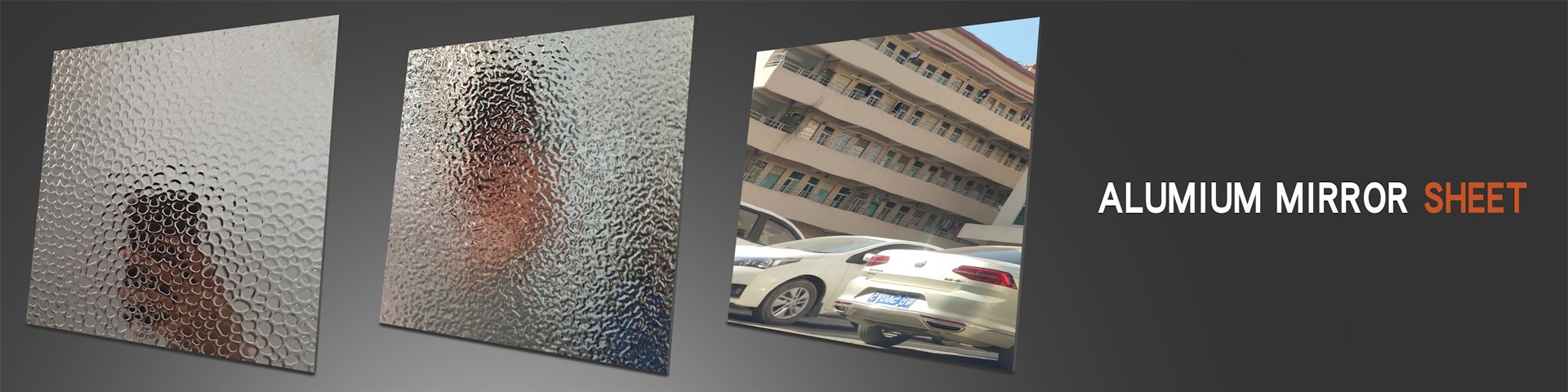
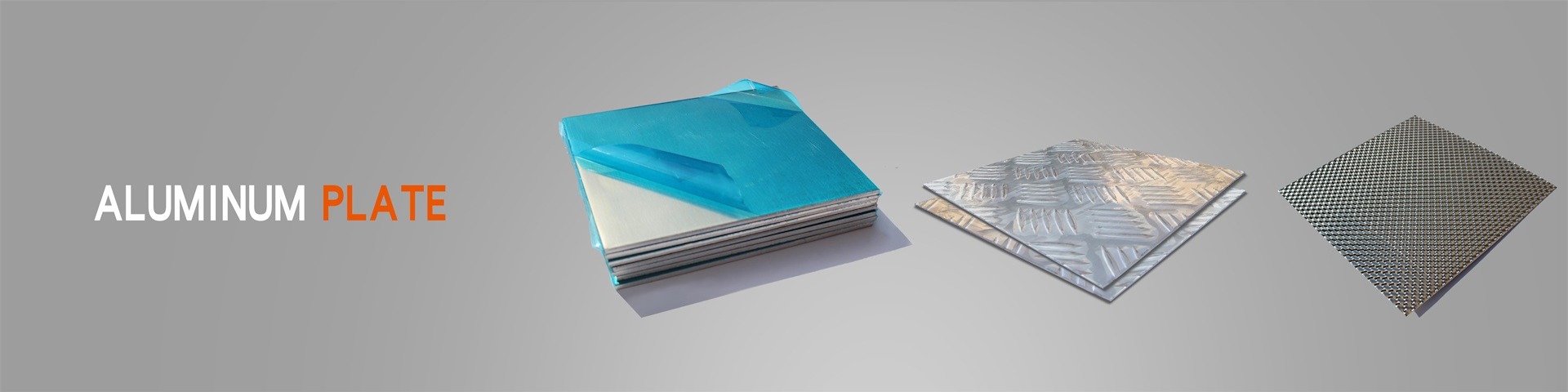
Удивительная легкость и прочность тонкого алюминиевого листа
В современном мире материаловедения тонкий алюминиевый лист занимает особое место благодаря своим уникальным свойствам: невероятной легкости и выдающейся прочности. Этот материал, часто воспринимаемый как обыденный, на самом деле является результатом вековых инноваций и технологических прорывов. В данной статье мы глубоко исследуем, почему тонкий алюминиевый лист стал незаменимым в различных отраслях, от строительства и транспорта до упаковки и высоких технологий. Мы рассмотрим его историю, производственные процессы, ключевые преимущества, экологические аспекты и будущие тенденции, демонстрируя, как этот материал продолжает формировать наше будущее.
Исторический контекст и развитие алюминиевой промышленности
Алюминий, как элемент, был открыт в начале XIX века, но его широкое использование началось лишь в конце того же столетия с разработкой эффективных методов производства, таких как процесс Холла-Эру. Изначально алюминий считался драгоценным металлом, но с удешевлением производства он стал массовым материалом. Тонкий алюминиевый лист, в частности, получил распространение в XX веке, особенно во время Второй мировой войны, когда его легкость и прочность сделали его идеальным для авиационной и военной промышленности. С тех пор технологии прокатки и обработки значительно улучшились, позволяя создавать листы толщиной всего в несколько микрон, что открыло новые возможности в электронике и упаковке. Эта историческая эволюция подчеркивает, как инновации в материаловедении могут трансформировать entire отрасли, делая алюминий одним из самых versatile материалов современности.
Технологии производства тонкого алюминиевого листа
Производство тонкого алюминиевого листа involves сложные процессы, начинающиеся с добычи бокситовой руды и ее переработки в глинозем, который затем electrolytically восстанавливается до чистого алюминия. Этот алюминий подвергается прокатке на высокоточных станах, где его толщина уменьшается до desired уровней, often с использованием холодной прокатки для достижения superior прочности и поверхности. Современные технологии, такие как автоматизированные системы контроля и роботизированная обработка, обеспечивают consistency и качество продукции. Additionally, добавление легирующих элементов, like magnesium или silicon, может enhance specific свойства, such как коррозионная стойкость или механическая прочность. Эти advancements не только делают производство более efficient, но и позволяют tailor материалы для specific применений, демонстрируя, как инженерия и наука collaborate для создания материалов с optimized характеристиками.
Ключевые преимущества: легкость и прочность
Основные advantages тонкого алюминиевого листа rooted в его unique combination легкости и прочности. С плотностью около 2.7 g/cm³, алюминий значительно lighter, чем steel, yet его прочность может быть enhanced через сплавы и обработку, making it ideal для applications, где weight reduction критически важно, such как в aerospace или automotive industries. Например, в самолетостроении использование алюминиевых листов reduces fuel consumption и increases payload capacity, while в automotive sector оно contributes к improved fuel efficiency и reduced emissions. Moreover, алюминий обладает excellent corrosion resistance due к formation protective oxide layer, which prolongs its lifespan без необходимости frequent maintenance. Эти свойства not only enhance performance но и lead к economic benefits through lower operational costs, underscoring why этот материал так highly valued в competitive markets.
Применение в строительстве и архитектуре
В строительной индустрии тонкий алюминиевый лист widely used для фасадов, кровли, и внутренней отделки благодаря его durability, aesthetic appeal, и ease of installation. Его lightweight nature simplifies transportation и монтаж, reducing labor costs и time, while its ability to be анодированным или painted позволяет achieve various finishes, from metallic shines to colorful coatings. Additionally, алюминий fire-resistant и recyclable, making it sustainable choice для green building projects. Examples include iconic structures like Burj Khalifa, где алюминиевые panels contribute к modern look и energy efficiency. This versatility демонстрирует, как materials can shape architectural design, enabling innovations в skyscrapers, bridges, и residential buildings, while promoting safety и environmental responsibility.
Роль в транспортном секторе
Транспортный сектор, включая automotive, aerospace, и rail industries, heavily relies на тонком алюминиевом листе для reducing weight и improving efficiency. В automobiles, алюминиевые body panels и components help achieve lighter vehicles, which directly translates to better fuel economy и lower carbon emissions. In aviation, алюминиевые alloys are staple materials для fuselages и wings, providing necessary strength-to-weight ratio для safe flight. Similarly, в high-speed trains, алюминиевые constructions reduce energy consumption и enhance speed. The trend towards electric vehicles further amplifies this, as lighter materials extend battery range. This widespread adoption highlights how material science drives advancements in mobility, contributing to global efforts in reducing environmental impact through innovative engineering solutions.
Использование в упаковке и потребительских товарах
Упаковочная индустрия benefits immensely от тонкого алюминиевого листа, particularly в form of foil для food packaging, beverages, и pharmaceuticals. Алюминиевая foil provides excellent barrier properties against moisture, light, и oxygen, preserving product freshness и shelf life. Its malleability allows for easy forming into various shapes, such as cans или pouches, while being lightweight reduces shipping costs. Beyond packaging, алюминиевые листы used в consumer electronics для casings и heat sinks, leveraging their thermal conductivity и aesthetic qualities. For instance, smartphones и laptops often feature aluminum bodies for durability и premium feel. This diversity применений shows how a single material can serve multiple purposes, enhancing everyday life through practicality и innovation.
Экологические аспекты и устойчивость
Алюминий stands out как environmentally friendly material due к its high recyclability; it can be recycled repeatedly without loss of quality, saving up to 95% energy compared to primary production. This makes тонкий алюминиевый лист key player в circular economy, reducing waste и conserving natural resources. Additionally, its production processes have become more efficient over time, with lower emissions and water usage in modern facilities. Lifecycle assessments show that aluminum products often have lower carbon footprints than alternatives, especially when recycled content is used. However, challenges remain, such as energy-intensive primary production, but ongoing innovations in renewable energy integration are mitigating these issues. Thus, алюминиевый лист not only offers performance benefits but also aligns with global sustainability goals, promoting a greener future.
Будущие тенденции и инновации
Looking ahead, the future of тонкий алюминиевый лист is bright with emerging trends and innovations. Advances in nanotechnology may lead to ultra-thin, super-strong aluminum composites with enhanced properties for applications in flexible electronics or advanced aerospace. Additive manufacturing, or 3D printing, is opening new possibilities for custom-shaped aluminum components with complex geometries. Furthermore, research into bio-based coatings and improved recycling techniques will enhance sustainability. The integration of smart materials, where aluminum sheets could incorporate sensors for structural health monitoring, is another exciting frontier. These developments promise to expand the material's utility, making it even more integral to high-tech industries and everyday life, while addressing challenges like cost and environmental impact through continuous improvement and creativity.
Заключение: значение для общества и экономики
В заключение, тонкий алюминиевый лист представляет собой remarkable example того, как materials science может transform industries и improve quality of life. Его combination легкости, прочности, и versatility сделало его indispensable в countless applications, от construction и transport до packaging и beyond. Environmental benefits, such as recyclability, further reinforce its value в era of sustainability. As technology evolves, этот материал будет continue to adapt и innovate, driving economic growth через reduced costs и new opportunities. Ultimately, the story of алюминиевого листа – это story of human ingenuity и progress, reminding us что even the simplest materials can have profound impact на наш мир. Investing в его development и adoption not only benefits businesses но и contributes к более sustainable и efficient future для всех.