
Судостроительный алюминий прочность и легкость для ваших проектов
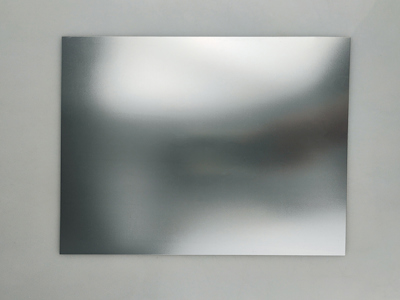
В современном судостроении выбор материалов играет ключевую роль в обеспечении эффективности, безопасности и долговечности морских судов. Одним из наиболее востребованных материалов является алюминий, который сочетает в себе уникальные свойства: высокую прочность и легкость. Эти характеристики делают его идеальным решением для широкого спектра проектов, от небольших лодок до крупных океанских лайнеров. В этой статье мы подробно рассмотрим преимущества судостроительного алюминия, его применение, технологические аспекты и будущие тенденции, чтобы помочь вам сделать информированный выбор для ваших морских инициатив.
Преимущества алюминия в судостроении
Алюминий обладает рядом неоспоримых преимуществ, которые делают его предпочтительным материалом в морской отрасли. Во-первых, его легкость значительно снижает общий вес судна, что приводит к улучшению топливной эффективности и увеличению грузоподъемности. Например, использование алюминиевых сплавов позволяет сократить вес корпуса на 30-50% по сравнению со сталью, что напрямую влияет на экономию топлива и снижение эксплуатационных расходов. Кроме того, алюминий демонстрирует отличную коррозионную стойкость в морской среде, благодаря естественному образованию защитного оксидного слоя. Это свойство уменьшает необходимость частого обслуживания и продлевает срок службы судна. Также алюминий легко поддается обработке, сварке и формованию, что упрощает процесс строительства и позволяет создавать сложные конструкции с высокой точностью. Эти преимущества делают алюминий незаменимым для проектов, где важны скорость, маневренность и долговечность.
Применение алюминия в различных типах судов
Судостроительный алюминий находит применение в разнообразных морских проектах, адаптируясь к конкретным требованиям. В коммерческом судоходстве он используется для строительства грузовых судов, танкеров и паромов, где легкость материала способствует увеличению payload и снижению затрат на топливо. Для военно-морского флота алюминий ценен своей способностью создавать быстроходные и малозаметные корабли, такие как корветы и патрульные катера. В рекреационной сфере алюминиевые яхты и катера популярны благодаря их прочности и низкому весу, что обеспечивает лучшее handling и комфорт для пассажиров. Кроме того, алюминий широко применяется в offshore-индустрии для конструкций, таких как платформы и буи, где устойчивость к коррозии критически важна. Примеры успешных проектов включают алюминиевые катамараны, которые демонстрируют превосходную остойчивость и скорость, а также ледоколы, где материал выдерживает экстремальные условия. Это разнообразие применений подчеркивает универсальность алюминия и его способность удовлетворять самым demanding требованиям морской инженерии.
Технологии производства и обработки алюминия
Производство судостроительного алюминия involves sophisticated technologies to ensure high quality and performance. The process begins with the extraction of bauxite ore, which is refined into alumina and then smelted to produce primary aluminum. For marine applications, aluminum is often alloyed with elements such as magnesium, silicon, and manganese to enhance its strength, weldability, and corrosion resistance. Common alloys used in shipbuilding include the 5000 and 6000 series, which offer a balance of properties ideal for hulls, superstructures, and other components. Advanced manufacturing techniques, such as extrusion and rolling, allow for the creation of complex shapes and profiles with precise dimensions. Welding is a critical step, and methods like MIG and TIG welding are employed to join aluminum parts without compromising integrity. Additionally, surface treatments, such as anodizing or painting, are applied to further protect against corrosion and improve aesthetics. Quality control measures, including non-destructive testing and certification to standards like ISO 9001, ensure that the aluminum meets rigorous marine requirements. These technologies not only enhance the material's performance but also contribute to sustainability by enabling recycling—aluminum can be reused indefinitely without loss of properties, reducing environmental impact. By leveraging these innovations, shipbuilders can create vessels that are not only strong and light but also eco-friendly and cost-effective over their lifecycle.
Сравнение с другими материалами
При выборе материалов для судостроения важно сравнивать алюминий с альтернативами, такими как сталь и композиты. Сталь традиционно доминирует в отрасли due to its high strength and low cost, but it is significantly heavier than aluminum, leading to higher fuel consumption and reduced speed. For instance, a steel hull might weigh twice as much as an aluminum one for the same size vessel, impacting overall efficiency. Aluminum, while lighter, offers comparable strength when properly alloyed, and its corrosion resistance eliminates the need for extensive protective coatings required for steel. Composites, such as fiberglass, are even lighter than aluminum and offer good corrosion resistance, but they often lack the durability and repairability of metals. Aluminum strikes a balance: it is more durable than composites and easier to repair, as damaged sections can be welded rather than replaced entirely. Cost-wise, aluminum has a higher initial price than steel but lower lifecycle costs due to savings on fuel and maintenance. Environmental considerations also favor aluminum, as it is fully recyclable, whereas composites can be challenging to dispose of. Overall, aluminum emerges as a superior choice for projects where weight savings, corrosion resistance, and long-term value are priorities, though the best material depends on specific application requirements such as vessel size, operating conditions, and budget constraints.
Будущие тенденции и инновации
Будущее судостроительного алюминия looks promising with ongoing innovations aimed at enhancing its properties and expanding its applications. One key trend is the development of advanced aluminum alloys with improved strength-to-weight ratios and better fatigue resistance, enabling the construction of larger and more efficient vessels. For example, research into nano-structured alloys could lead to materials that are even lighter and stronger, suitable for next-generation ships. Another area of innovation is in joining technologies, such as friction stir welding, which produces stronger and more reliable welds without the heat-affected zones common in traditional methods. Sustainability is also a major driver, with increased focus on recycling and reducing the carbon footprint of aluminum production. The industry is moving towards using more renewable energy in smelting processes and promoting circular economy practices. Additionally, digitalization and IoT integration are becoming prevalent, with sensors embedded in aluminum structures to monitor stress, corrosion, and other parameters in real-time, enabling predictive maintenance and enhancing safety. These trends align with global demands for greener and smarter shipping, positioning aluminum as a material of choice for sustainable marine solutions. As technology advances, we can expect to see aluminum used in even more innovative ways, such as in autonomous vessels or hybrid designs combining aluminum with other materials for optimal performance. Embracing these innovations will help shipowners and builders stay competitive and meet evolving regulatory and environmental standards.
Заключение
В заключение, судостроительный алюминий предлагает unparalleled combination of strength and lightness, making it an ideal material for a wide range of marine projects. Its advantages, including weight reduction, corrosion resistance, and ease of fabrication, translate into tangible benefits such as improved fuel efficiency, lower maintenance costs, and enhanced durability. From commercial ships to recreational boats, aluminum proves its versatility and reliability. Technological advancements continue to push the boundaries, ensuring that aluminum remains at the forefront of shipbuilding innovation. By choosing aluminum for your projects, you invest in a material that not only meets today's challenges but also adapts to future needs. We encourage you to explore the possibilities with aluminum and partner with experts to leverage its full potential for your specific applications. For more information or to discuss your project, feel free to contact us—we're here to help you navigate the seas of innovation with confidence and success.