
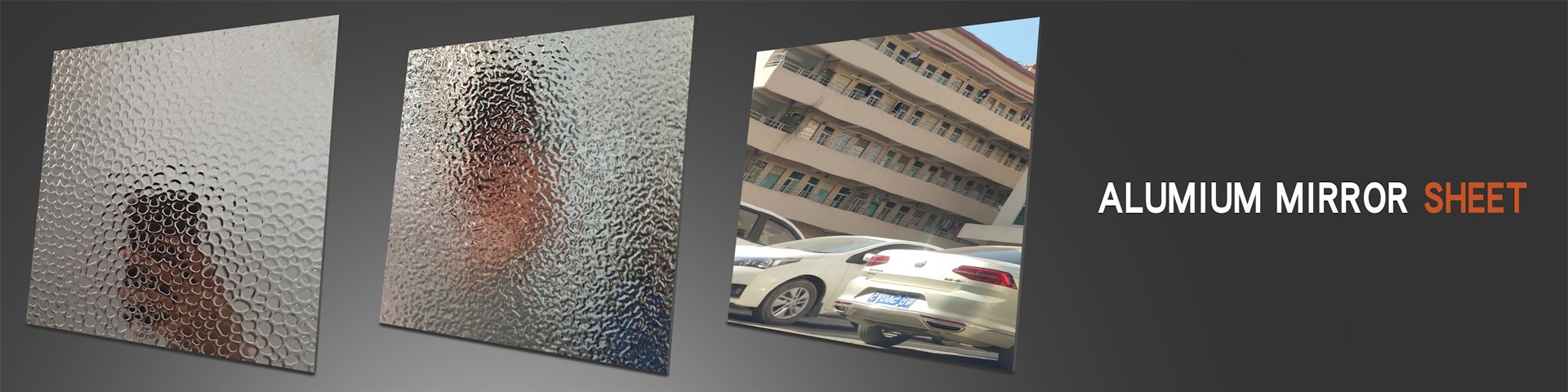
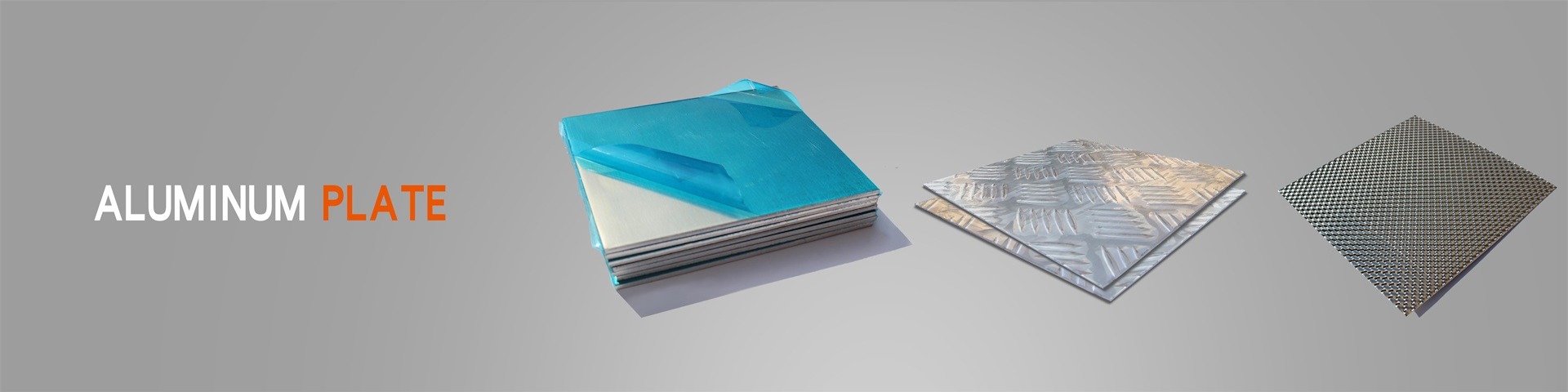
Анодное оксидирование алюминиевых листов прочность и долговечность в современном строительстве

В современном строительстве, где требования к материалам постоянно растут, алюминиевые листы с анодным оксидированием становятся ключевым элементом для обеспечения прочности, долговечности и эстетической привлекательности. Этот процесс, известный как анодирование, не только усиливает механические свойства алюминия, но и предоставляет уникальные преимущества, такие как устойчивость к коррозии, износостойкость и экологическая безопасность. В данной статье мы подробно рассмотрим, почему анодное оксидирование является незаменимым решением для современных строительных проектов, обсудим его технические аспекты, преимущества и реальные примеры применения. Мы также затронем вопросы экономической эффективности и будущих тенденций, подчеркивая, как этот метод способствует устойчивому развитию в строительной индустрии.
Введение в анодное оксидирование
Анодное оксидирование, или анодирование, — это электрохимический процесс, при котором на поверхности алюминия формируется защитный оксидный слой. Этот слой не только увеличивает толщину материала, но и улучшает его адгезию к краскам и другим покрытиям. Процесс был разработан в начале XX века и с тех пор значительно усовершенствован, став стандартом в авиационной, автомобильной и строительной отраслях. Основная цель анодирования — защитить алюминий от коррозии, которая является основной проблемой для металлов в агрессивных средах, таких как влажный климат или промышленные зоны. В строительстве это особенно актуально, так как конструкции часто подвергаются воздействию погодных условий, ультрафиолетового излучения и механических нагрузок.
Процесс анодирования начинается с подготовки поверхности алюминиевого листа: его очищают от загрязнений и обезжиривают. Затем лист погружают в электролитическую ванну, где он служит анодом, а катодом обычно выступает свинец или нержавеющая сталь. При подаче электрического тока на поверхности алюминия образуется оксидная пленка, толщина которой может варьироваться от 5 до 25 микрометров в зависимости от применения. Этот слой является интегральной частью металла, а не просто внешним покрытием, что обеспечивает исключительную прочность и долговечность. Кроме того, анодирование позволяет окрашивать алюминий в различные цвета, что расширяет его дизайнерские возможности в архитектуре.
В современном строительстве анодное оксидирование находит применение в фасадах зданий, кровельных системах, интерьерах и даже в инфраструктурных проектах, таких как мосты и туннели. Его популярность растет благодаря сочетанию функциональности и эстетики. Например, в высотных зданиях анодированные алюминиевые панели не только обеспечивают структурную целостность, но и создают современный, sleek вид, который ценится архитекторами. Более того, процесс анодирования является экологически дружественным, так как не involves токсичные химикаты и может быть легко integrated в системы recycling алюминия.
Преимущества анодного оксидирования для прочности
Одним из главных преимуществ анодного оксидирования является значительное увеличение прочности алюминиевых листов. Оксидный слой, образующийся в процессе, обладает высокой твердостью, сравнимой с некоторыми видами стали, что делает материал более устойчивым к царапинам, ударам и abrasion. Это особенно важно в строительстве, где материалы часто подвергаются механическим нагрузкам, например, при монтаже или эксплуатации. Исследования показали, что анодированный алюминий может иметь твердость до 500 HV (по Виккерсу), что в несколько раз превышает твердость необработанного алюминия. Это позволяет использовать более тонкие листы без потери прочности, что снижает вес конструкций и экономит материалы.
Кроме того, анодное оксидирование улучшает усталостную прочность алюминия, то есть его способность выдерживать repeated нагрузки без разрушения. В строительных applications, таких как мосты или высотные здания, это критически важно, так как конструкции постоянно испытывают вибрации и ветровые нагрузки. Оксидный слой acts как барьер, предотвращающий initiation и propagation трещин, что продлевает срок службы материала. Например, в сейсмоопасных регионах анодированные алюминиевые элементы могут significantly enhance structural integrity, reducing the risk of failure during earthquakes.
Еще одним аспектом прочности является коррозионная стойкость. Анодированный алюминий highly resistant to corrosion, даже в harsh environments like coastal areas or industrial zones. The oxide layer is impermeable to water and oxygen, which are primary agents of corrosion. This means that buildings clad with anodized aluminum sheets require less maintenance and have a longer lifespan compared to those using untreated metals. In fact, anodized aluminum can last for decades without significant degradation, as evidenced by historical structures that still stand today. This durability translates to cost savings over the life of a building, as there is less need for repairs or replacements.
Долговечность и устойчивость в строительстве
Долговечность анодированных алюминиевых листов является ключевым фактором их популярности в современном строительстве. Благодаря защитному оксидному слою, материал сохраняет свои свойства на протяжении многих лет, даже under exposure to UV radiation, extreme temperatures, and pollutants. This makes it ideal for exterior applications, such as facades and roofing, where materials are constantly exposed to the elements. Studies have shown that anodized aluminum can maintain its appearance and performance for over 50 years, which is significantly longer than many other building materials like painted steel or wood.
Устойчивость к выцветанию — еще одно важное преимущество. Анодирование создает стойкое цветное покрытие, которое не выцветает под воздействием солнечного света. Это contrasts with organic paints or coatings that can degrade over time, leading to discoloration and loss of aesthetic appeal. In architectural design, this means that buildings retain their intended look for decades, enhancing their value and reducing the need for repainting. For instance, many iconic modern buildings, such as the Burj Khalifa in Dubai, utilize anodized aluminum for its lasting beauty and performance.
Экологическая устойчивость также plays a role in the durability of anodized aluminum. The process is energy-efficient and produces minimal waste, as the electrolytes used can be recycled. Additionally, aluminum itself is highly recyclable, and anodized aluminum can be melted down and reused without loss of quality. This aligns with the growing trend towards green building practices, such as LEED certification, which emphasize the use of sustainable materials. By choosing anodized aluminum, builders contribute to reducing the environmental impact of construction, as it minimizes resource consumption and waste generation over the building's lifecycle.
Применение в современных строительных проектах
Анодированные алюминиевые листы широко применяются в разнообразных строительных проектах, от residential buildings to large-scale commercial and infrastructure developments. In facades, they are used for cladding systems that provide both insulation and aesthetic appeal. The lightweight nature of aluminum makes it easy to install, reducing construction time and costs. For example, curtain wall systems with anodized aluminum panels are common in skyscrapers, offering excellent weather resistance and design flexibility. These systems can be customized in terms of color and texture, allowing architects to create unique visual effects.
В кровельных системах анодированный алюминий используется для создания durable and leak-proof roofs. Its corrosion resistance ensures that the roof remains intact even in rainy or snowy conditions, preventing water damage and extending the life of the building. Additionally, anodized aluminum reflects sunlight, which can help reduce cooling costs in warm climates by lowering heat absorption. This energy efficiency is a bonus in sustainable building design.
Interior applications include partitions, ceilings, and decorative elements. Anodized aluminum's ability to be colored and textured makes it a popular choice for modern interiors, where it adds a touch of sophistication and durability. For instance, in hospitals or schools, where hygiene and low maintenance are important, anodized aluminum surfaces are easy to clean and resist wear from frequent use. Moreover, in transportation infrastructure like bridges or tunnels, anodized aluminum components provide long-lasting performance with minimal upkeep, contributing to public safety and cost-effectiveness.
Экономические и экологические аспекты
С экономической точки зрения, анодное оксидирование offers significant benefits. Although the initial cost of anodized aluminum may be higher than untreated aluminum or other materials, the long-term savings are substantial due to reduced maintenance, repair, and replacement costs. Buildings with anodized aluminum exteriors require less frequent painting and cleaning, which lowers operational expenses. For example, a study by the Aluminum Association found that over a 30-year period, anodized aluminum cladding can be up to 40% more cost-effective than painted alternatives when factoring in lifecycle costs.
Экологически, анодирование is a green process. It does not involve volatile organic compounds (VOCs) or heavy metals, making it safer for workers and the environment compared to some coating methods. The electrolytes used, such as sulfuric acid, can be neutralized and recycled, minimizing waste. Furthermore, aluminum is one of the most recycled materials on Earth, with recycling rates exceeding 90% in some regions. Using anodized aluminum supports circular economy principles, as it can be endlessly recycled without degradation, reducing the need for virgin material extraction and lowering carbon emissions associated with production.
In terms of energy efficiency, anodized aluminum contributes to building sustainability by reflecting heat and reducing the urban heat island effect. This can lead to lower energy consumption for air conditioning, further enhancing its economic and environmental appeal. As governments and organizations push for greener building standards, anodized aluminum is likely to see increased adoption in projects aiming for certifications like BREEAM or Green Globes.
Будущие тенденции и инновации
Будущее анодного оксидирования в строительстве looks promising, with ongoing innovations aimed at enhancing its properties and applications. Researchers are developing new electrolyte formulations and process parameters to create thicker, harder, and more colorful oxide layers. For instance, hard anodizing techniques are being refined to produce surfaces with even greater wear resistance, suitable for high-traffic areas or extreme environments. Additionally, nanotechnology is being explored to incorporate nanoparticles into the oxide layer, improving attributes like antimicrobial properties or self-cleaning capabilities.
Another trend is the integration of smart technologies. Anodized aluminum could be combined with sensors or coatings that monitor structural health, such as detecting cracks or corrosion early on. This would enable predictive maintenance, further increasing the longevity and safety of buildings. In terms of design, digital fabrication methods like 3D printing are being adapted for anodized aluminum, allowing for complex, customized shapes that were previously impossible. This opens up new possibilities for architectural expression and functionality.
С точки зрения sustainability, efforts are underway to make the anodizing process even more eco-friendly by using renewable energy sources or developing bio-based electrolytes. As the construction industry moves towards net-zero carbon goals, anodized aluminum will play a crucial role due to its recyclability and durability. Overall, the continued evolution of anodizing technology will ensure that aluminum remains a cornerstone material in modern construction, driving innovation and sustainability forward.
Заключение
В заключение, анодное оксидирование алюминиевых листов представляет собой мощное решение для современного строительства, offering unmatched прочность, долговечность, и экологичность. Его ability to enhance mechanical properties, resist corrosion, and provide aesthetic flexibility makes it indispensable for a wide range of applications, from facades to infrastructure. The economic benefits of reduced lifecycle costs and the environmental advantages of recyclability and low emissions further solidify its position as a material of choice for sustainable development. As technology advances, we can expect even greater innovations in anodizing, ensuring that it continues to meet the evolving demands of the construction industry. By embracing анодное оксидирование, builders and architects can create structures that are not only beautiful and functional but also built to last for generations.