
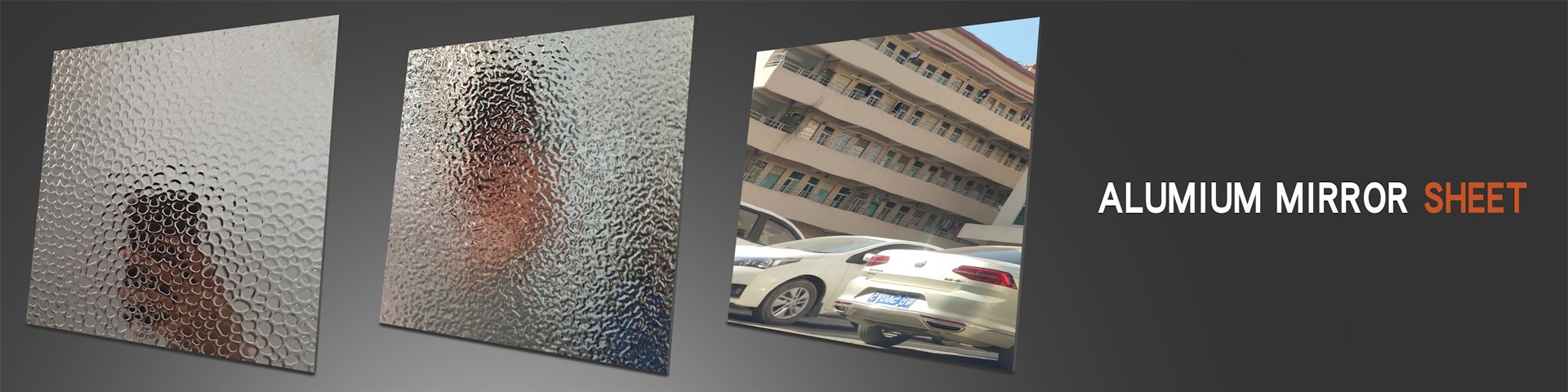
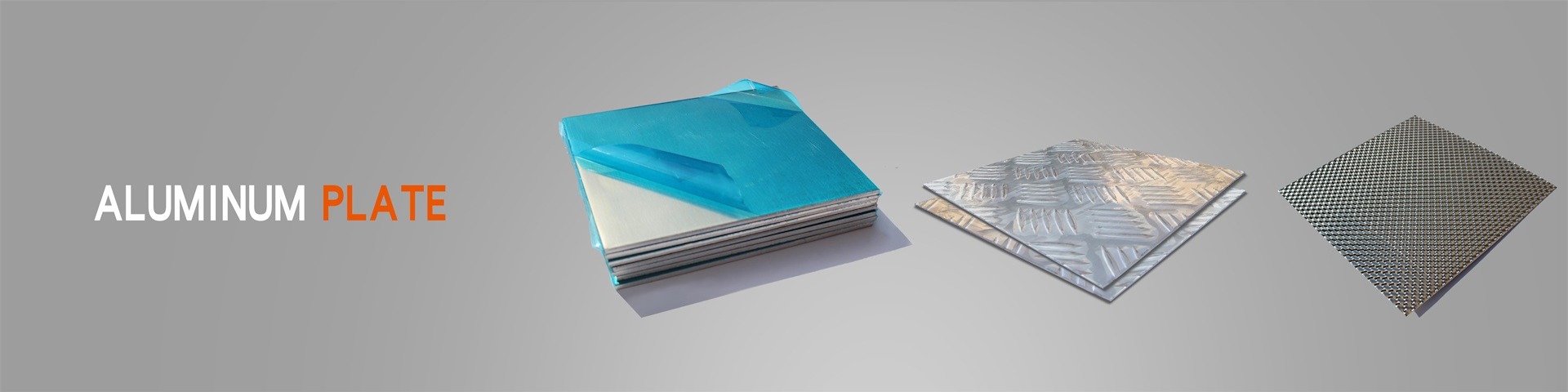
Тонкий алюминиевый лист революция в строительстве и дизайне
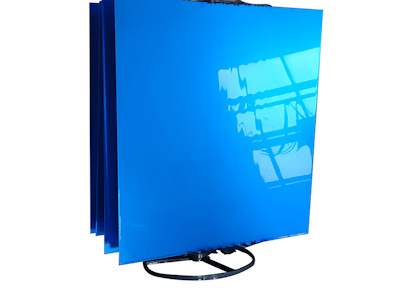
Введение: В современном мире строительства и дизайна материалы играют ключевую роль в определении эстетики, функциональности и устойчивости проектов. Среди множества инновационных материалов тонкий алюминиевый лист выделяется как настоящий революционер. Его уникальные свойства — легкость, прочность, коррозионная стойкость и универсальность — делают его незаменимым в архитектуре, интерьерах и промышленных приложениях. Эта статья углубляется в то, как тонкий алюминиевый лист преобразует отрасли, исследуя его историю, технологические достижения, экологические преимущества и будущие перспективы. Мы рассмотрим реальные примеры использования, сравнительный анализ с другими материалами и практические советы для профессионалов. К концу вы поймете, почему этот материал стал символом современного прогресса и как он продолжит влиять на наши города и дома в ближайшие десятилетия.
История и эволюция алюминия в строительстве
Алюминий, как материал, был открыт в начале XIX века, но его широкое применение в строительстве началось лишь в XX веке. Изначально алюминий считался дорогим и экзотическим металлом, используемым в основном в ювелирных изделиях и декоративных элементах. Однако с развитием технологий производства, таких как процесс Холла-Эру, который сделал алюминий более доступным, его популярность резко возросла. В 1920-х годах алюминий начал использоваться в строительстве для создания легких конструкций, например, в каркасах зданий и оконных рамах. К середине века, с появлением тонких алюминиевых листов, материал стал ключевым компонентом в современных архитектурных проектах. Революция ускорилась в 1970-х годах с внедрением анодирования и других методов обработки поверхности, которые улучшили долговечность и эстетику. Сегодня тонкий алюминиевый лист — это не просто материал, а символ инновации, используемый в небоскребах, мостах и даже в космических технологиях. Его эволюция отражает общий тренд towards lightweight, sustainable design, и продолжает вдохновлять архитекторов и инженеров по всему миру.
Преимущества тонкого алюминиевого листа
Тонкий алюминиевый лист обладает множеством преимуществ, которые делают его идеальным для строительства и дизайна. Во-первых, его легкость — плотность алюминия составляет около 2,7 г/см³, что в три раза меньше, чем у стали. Это позволяет сокращать нагрузку на конструкции, снижая costs на фундамент и увеличивая скорость монтажа. Во-вторых, прочность: хотя алюминий легкий, он обладает высокой прочностью на растяжение и может быть усилен сплавами для конкретных применений, таких как алюминиево-магниевые сплавы для повышенной durability. В-третьих, коррозионная стойкость: алюминий естественным образом образует защитный оксидный слой, который предотвращает ржавчину, делая его perfect для влажных сред или coastal areas. Кроме того, материал легко поддается обработке — его можно резать, гнуть, сваривать и формовать в complex shapes, что открывает безграничные возможности для дизайна. Термическая и electrical conductivity также являются плюсами, особенно в applications like HVAC systems или электронных корпусах. Наконец, алюминий на 100% recyclable, что aligns с modern sustainability goals. Эти преимущества collectively делают тонкий алюминиевый лист versatile и экономически эффективным выбором для projects ranging от residential buildings до industrial complexes.
Технологические инновации в производстве
Производство тонких алюминиевых листов претерпело значительные технологические инновации за последние десятилетия, что позволило улучшить качество, снизить costs и расширить applications. Ключевые процессы включают прокатку, где алюминиевые слитки пропускаются через rollers для достижения desired thickness — modern rolling mills используют компьютерное управление для precision до микрометров. Другой innovation — это continuous casting, который увеличивает efficiency и reduces waste. Для обработки поверхности, методы such as анодирование создают durable, decorative coatings that enhance corrosion resistance and allow for color variations. Лазерная резка и ЧПУ (CNC) machining enable intricate designs and custom shapes, making aluminum sheets ideal for artistic installations or architectural facades. Additionally, advancements in alloy development, such as adding silicon or copper, tailor the material's properties for specific needs, like higher strength or better formability. Nanotechnology is also emerging, with coatings that provide self-cleaning or antimicrobial properties. These innovations not only boost performance but also make aluminum sheets more accessible and sustainable, as energy-efficient production methods reduce carbon footprint. Overall, technology continues to push the boundaries, ensuring that thin aluminum sheets remain at the forefront of material science.
Применение в современной архитектуре
В современной архитектуре тонкий алюминиевый лист нашел широкое применение благодаря своей adaptability и aesthetic appeal. Он используется для фасадов зданий, где его lightweight nature allows for creative, sweeping designs without compromising structural integrity. Examples include the shimmering exteriors of skyscrapers like the Burj Khalifa in Dubai, which use aluminum panels for their reflective properties and durability. In interior design, aluminum sheets are employed for ceilings, walls, and furniture, adding a sleek, modern touch that is both functional and stylish. For roofing, aluminum provides excellent weather resistance and longevity, often outlasting traditional materials like asphalt shingles. Additionally, in structural applications, such as beams and frames, aluminum's strength-to-weight ratio enables the construction of larger spans and innovative forms, as seen in bridges or airport terminals. The material is also popular in sustainable architecture, where its recyclability and energy efficiency contribute to green building certifications like LEED. Case studies, such as the use of aluminum in the renovation of historic buildings, demonstrate its versatility in blending old and new. Overall, thin aluminum sheets empower architects to realize bold visions while ensuring practicality and sustainability.
Роль в дизайне интерьеров
В дизайне интерьеров тонкий алюминиевый лист играет crucial role in creating contemporary, functional spaces. Its metallic sheen and smooth surface add a touch of modernity and luxury, making it a favorite for high-end residential and commercial projects. Common applications include kitchen backsplashes, where aluminum's easy cleanability and resistance to heat make it ideal, or in bathroom fixtures for a sleek, hygienic finish. For furniture, aluminum sheets can be formed into chairs, tables, and shelves, offering durability and a lightweight alternative to wood or steel. In lighting design, aluminum is used for reflectors and shades due to its excellent light diffusion properties. Moreover, the material's flexibility allows for custom artworks and decorative panels that enhance visual interest in spaces like lobbies or galleries. From a practical standpoint, aluminum's non-porous surface inhibits mold and bacteria growth, contributing to healthier indoor environments. Trends show increasing use of colored or textured aluminum sheets through processes like powder coating, which expands design possibilities without sacrificing performance. Ultimately, in interior design, thin aluminum sheets provide a perfect blend of form and function, enabling designers to achieve aesthetic goals while maintaining practicality.
Экологические аспекты и устойчивость
Экологические аспекты тонкого алюминиевого листа делают его standout choice в era of growing environmental awareness. Алюминий является highly recyclable material — it can be recycled indefinitely without loss of quality, and recycling aluminum saves up to 95% of the energy required for primary production from bauxite ore. This significantly reduces greenhouse gas emissions and conserves natural resources. In construction, the use of aluminum sheets contributes to sustainable building practices by enabling lighter structures that require less energy for transportation and installation. Additionally, aluminum's longevity and low maintenance needs mean fewer replacements over time, further minimizing environmental impact. Life cycle assessments show that aluminum products often have a lower carbon footprint compared to materials like steel or plastic, especially when sourced from recycled content. Initiatives such as closed-loop recycling in the aluminum industry promote circular economy principles, where waste is minimized, and materials are continuously reused. However, challenges remain, such as the energy-intensive initial production process, but advancements in renewable energy integration are mitigating this. Overall, thin aluminum sheets align with global sustainability goals, offering a path towards greener construction and design while supporting economic efficiency.
Сравнение с другими материалами
Сравнение тонкого алюминиевого листа с другими распространенными материалами, такими как сталь, медь, пластик и стекло, highlights its unique advantages and limitations. По сравнению со сталью, алюминий легче и более устойчив к коррозии, но может иметь lower strength in some applications, requiring thicker sections or alloys for equivalence. However, aluminum's weight advantage often translates to cost savings in transportation and installation. Медь, while offering excellent conductivity and a distinctive patina, is heavier, more expensive, and less recyclable than aluminum. Пластик materials like PVC are lightweight and cheap but lack the durability, fire resistance, and premium feel of aluminum, making them less suitable for high-end projects. Стекло provides transparency and aesthetic appeal but is fragile and heavy, whereas aluminum can be used as a framing material to complement glass. In terms of sustainability, aluminum outperforms many materials due to its recyclability, whereas plastics contribute to pollution and have limited recycle loops. Cost-wise, aluminum is generally mid-range — more affordable than copper but pricier than some plastics. Ultimately, the choice depends on specific project requirements, but thin aluminum sheets offer a balanced combination of performance, aesthetics, and environmental benefits that often make them the preferred option in modern design.
Будущие тенденции и инновации
Будущие тенденции для тонкого алюминиевого листа указывают на continued innovation and expanded applications. One key trend is the integration of smart technologies, such as aluminum sheets embedded with sensors for structural health monitoring or energy harvesting, enabling buildings to become more interactive and efficient. Advances in additive manufacturing, or 3D printing with aluminum alloys, will allow for custom, complex geometries that were previously impossible, revolutionizing bespoke design. Another area is the development of ultra-thin, flexible aluminum sheets for use in wearable technology or flexible electronics, blending construction with tech. Sustainability will drive further improvements, such as bio-based coatings or enhanced recycling techniques to achieve zero-waste production. In architecture, we may see more dynamic facades using aluminum that change appearance with light or temperature, thanks to responsive materials. Additionally, as global urbanization increases, the demand for lightweight, prefabricated building components made from aluminum will rise, speeding up construction times and reducing costs. Collaboration with other industries, like aerospace, could lead to new alloys with exceptional properties. Overall, the future of thin aluminum sheets is bright, with ongoing research poised to unlock even greater potential, ensuring their role as a cornerstone of innovative design and sustainable development.
Практические советы для использования
Для эффективного использования тонкого алюминиевого листа в проектах, следуйте practical советам. Во-первых, выберите appropriate alloy и thickness based on application — для фасадов используйте сплавы серии 3000 или 5000 для прочности и коррозионной стойкости, в то время как для декоративных элементов подойдут более мягкие сплавы. Во-вторых, учитывайте обработку поверхности: анодирование обеспечивает durability и color options, а powder coating предлагает wide range of finishes. При монтаже, используйте compatible fasteners из нержавеющей стали или алюминия чтобы избежать galvanic corrosion. Для резки и forming, employ specialized tools like nibblers или лазеры для clean edges, и всегда следуйте manufacturer's guidelines чтобы предотвратить damage. В климатических условиях с high humidity или salt exposure, ensure proper sealing и regular maintenance to prolong lifespan. С точки зрения cost, plan for initial investment but consider long-term savings from durability and low upkeep. Для sustainability, source recycled aluminum и implement recycling programs at project end-of-life. Наконец, collaborate with experienced suppliers и contractors who understand the material's nuances. Эти советы помогут maximize benefits и избежать common pitfalls, ensuring successful integration of thin aluminum sheets into your designs.
Заключение
В заключение, тонкий алюминиевый лист представляет собой революционный материал that has transformed строительство и дизайн through its unique combination of lightness, strength, durability, and sustainability. From its historical roots to cutting-edge innovations, it has proven to be a versatile and forward-thinking choice for architects, designers, and engineers. As we look to the future, ongoing advancements promise even greater applications, from smart buildings to eco-friendly solutions. By embracing thin aluminum sheets, we can create more efficient, beautiful, and sustainable environments that meet the challenges of the 21st century. Whether in towering skyscrapers or intimate interior spaces, this material continues to inspire and enable progress, solidifying its place as a cornerstone of modern industry.