
Алюминиевый лист 1100H18 идеальный выбор для прочности и гибкости
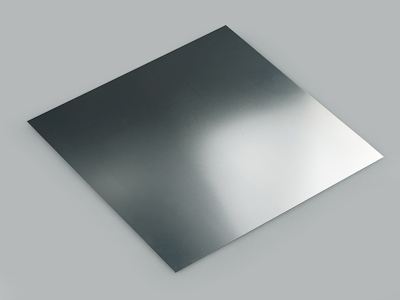
В современном мире материаловедения алюминиевые сплавы занимают особое место благодаря своим уникальным свойствам, которые делают их незаменимыми в самых разных отраслях. Среди множества вариантов алюминиевый лист 1100H18 выделяется как один из наиболее универсальных и надежных продуктов. Его сочетание высокой прочности и исключительной гибкости делает его идеальным выбором для проектов, где требуется долговечность и адаптивность. В этой статье мы подробно рассмотрим, что такое алюминиевый лист 1100H18, его ключевые характеристики, преимущества, области применения, а также дадим практические советы по выбору и использованию. Мы углубимся в технические детали, сравним его с другими материалами и представим реальные примеры успешного внедрения. Цель — предоставить вам исчерпывающую информацию, которая поможет сделать осознанный выбор в пользу этого замечательного материала.
Что такое алюминиевый лист 1100H18?
Алюминиевый лист 1100H18 относится к семейству алюминиевых сплавов серии 1xxx, которые известны своей высокой чистотой и отличной коррозионной стойкостью. Сплавы этой серии содержат более 99% алюминия, с минимальными добавками других элементов, что обеспечивает превосходную обрабатываемость и свариваемость. Конкретно сплав 1100 состоит из алюминия (не менее 99,0%) и небольших количеств меди, железа, кремния, цинка и других примесей, которые контролируются для достижения оптимальных свойств. Обозначение H18 указывает на степень упрочнения материала. В системе обозначений алюминиевых сплавов H означает «нагартованный» (от английского "hard"), а цифра 18 обозначает максимальное упрочнение, достигнутое холодной обработкой. Таким образом, 1100H18 — это алюминиевый сплав 1100, подвергнутый холодной прокатке до состояния полной твердости, что придает ему высокую прочность при сохранении хорошей пластичности. Этот процесс упрочнения включает в себя деформацию материала при комнатной температуре, что увеличивает его предел прочности и твердость, но может немного снижать ductility (способность к деформации без разрушения). Однако, благодаря высокой чистоте алюминия, лист 1100H18 сохраняет достаточную гибкость для многих применений, где требуется изгиб или формовка.
Исторически алюминиевые сплавы серии 1xxx были одними из первых, разработанных для коммерческого использования, начиная с конца 19 века, когда алюминий стал более доступным благодаря усовершенствованным методам производства, таким как электролиз. Сплав 1100, в частности, стал популярным благодаря своей универсальности и экономичности. Со временем, с развитием металлургии, были оптимизированы процессы обработки, включая прокатку, для создания различных состояний, таких как H18, которые отвечают конкретным требованиям промышленности. Сегодня алюминиевый лист 1100H18 производится в соответствии с международными стандартами, такими как ASTM B209 или EN 485, что гарантирует consistent quality and performance. Производственный процесс typically involves melting high-purity aluminum, casting into ingots, hot rolling to reduce thickness, and then cold rolling to achieve the desired H18 temper. This cold working process involves passing the sheet through rollers at room temperature, which work-hardens the material, increasing its strength but also making it more brittle compared to softer tempers like O (annealed).
Ключевые химические composition of alloy 1100 includes aluminum (99.0% min), copper (0.05-0.20%), iron (0.95% max), silicon (0.95% max), zinc (0.10% max), manganese (0.05% max), and other elements each at 0.05% max. This composition ensures excellent corrosion resistance, especially in atmospheric conditions, as the high aluminum content forms a protective oxide layer that prevents further degradation. The H18 temper is achieved by cold working the material to a reduction of about 75% from its annealed state, resulting in a tensile strength of approximately 150 MPa and yield strength of around 145 MPa, with elongation of about 5% in 50 mm. These mechanical properties make it suitable for applications where strength is prioritized over formability, but some flexibility is still needed.
In terms of physical properties, aluminum sheet 1100H18 has a density of about 2.71 g/cm³, which is light compared to steel (around 7.85 g/cm³), making it advantageous for weight-sensitive applications. It also has good thermal conductivity (about 222 W/m·K) and electrical conductivity (about 59% IACS), which are beneficial in heat exchange and electrical applications. The melting point is around 660°C, and it exhibits non-magnetic properties, which is useful in certain industries like electronics or aerospace. The surface of the sheet can be finished in various ways, such as mill finish, brushed, or anodized, to enhance appearance and durability.
Overall, aluminum sheet 1100H18 is a versatile material that balances strength and flexibility, making it a preferred choice in many sectors. Its production is cost-effective due to the simplicity of the alloy and processing, and it is readily available in various thicknesses, widths, and lengths to meet diverse needs. In the following sections, we will explore its advantages, applications, and how to select the right product for your projects.
Ключевые преимущества алюминиевого листа 1100H18
Алюминиевый лист 1100H18 предлагает множество преимуществ, которые делают его standout choice in the market. These benefits stem from its unique combination of properties, derived from the high purity of aluminum and the H18 tempering process. Let's delve into the key advantages in detail.
First and foremost, прочность is a major advantage. The H18 temper provides high tensile and yield strength, making the sheet resistant to deformation and damage under load. This is particularly important in structural applications where the material must support weight or withstand forces. For example, in construction, it can be used for panels or cladding that need to endure wind loads or impacts. The strength is achieved through cold working, which dislocation density and grain refinement, resulting in a material that is harder and stronger than its annealed counterparts. Compared to other aluminum tempers, such as O (soft) or H14 (half-hard), H18 offers superior strength, though it may sacrifice some ductility. However, for many uses, this trade-off is acceptable because the material still retains enough flexibility for forming operations like bending or shearing when done carefully.
Another significant advantage is гибкость or formability. Despite being in the hard temper, aluminum 1100H18 maintains a degree of malleability that allows it to be bent or shaped without cracking, especially when proper techniques are used. This is due to the inherent ductility of pure aluminum, which is preserved even after cold working. In practice, this means that the sheet can be easily cut, drilled, or formed into complex shapes, making it ideal for manufacturing processes that require customization. For instance, in the automotive industry, it might be used for trim pieces that need to be bent to fit curves. The flexibility also extends to its ability to be joined through welding, brazing, or adhesive bonding, although welding may require precautions due to the hardened state.
Коррозионная стойкость is a hallmark of aluminum alloys, and 1100H18 excels in this area. The high aluminum content (over 99%) means that it forms a thin, adherent oxide layer when exposed to air, which protects the underlying metal from further oxidation. This makes it highly resistant to corrosion in most environments, including atmospheric, freshwater, and many chemical exposures. It is particularly suitable for outdoor applications or in humid conditions where other metals might rust. For example, in marine environments, while not as corrosion-resistant as some specialized alloys like 5xxx series, 1100H18 still performs well with proper maintenance. This corrosion resistance reduces maintenance costs and extends the lifespan of products made from this material.
Легкость is another key benefit. With a density of only 2.71 g/cm³, aluminum is about one-third the weight of steel, making it ideal for applications where weight reduction is critical. This is especially valuable in industries like aerospace, automotive, and transportation, where lighter materials can lead to fuel savings, improved efficiency, and easier handling. For instance, using aluminum sheet 1100H18 in vehicle bodies can reduce overall weight, enhancing performance and compliance with emissions standards.
Теплопроводность и электропроводность are additional advantages. Aluminum is an excellent conductor of heat and electricity, and alloy 1100 retains these properties well. This makes it suitable for heat exchangers, radiators, electrical enclosures, and other applications where thermal or electrical management is important. For example, in electronics, it can be used for heatsinks that dissipate heat from components.
Экологичность is increasingly important in today's world, and aluminum is highly recyclable. Aluminum sheet 1100H18 can be recycled repeatedly without loss of properties, reducing environmental impact and conserving resources. The recycling process requires only about 5% of the energy needed to produce primary aluminum, making it a sustainable choice. This aligns with green building standards and corporate sustainability goals.
Экономичность is also a notable advantage. Compared to other high-strength materials like stainless steel or titanium, aluminum 1100H18 is relatively inexpensive to produce and purchase. Its availability and ease of fabrication contribute to lower overall costs in projects. Additionally, its durability and low maintenance needs result in long-term savings.
In summary, the combination of strength, flexibility, corrosion resistance, lightness, conductivity, sustainability, and cost-effectiveness makes aluminum sheet 1100H18 an attractive option for a wide range of applications. These benefits are backed by decades of use and continuous improvement in manufacturing processes.
Области применения алюминиевого листа 1100H18
Благодаря своим уникальным свойствам, алюминиевый лист 1100H18 находит применение в numerous industries. Его способность сочетать прочность с гибкостью позволяет использовать его в ситуациях, где требуются both durability and adaptability. Below, we explore the primary sectors where this material is commonly used, along with specific examples and case studies.
In the строительной отрасли, aluminum sheet 1100H18 is widely used for roofing, siding, cladding, and architectural panels. Its corrosion resistance makes it ideal for exterior applications, as it can withstand weather conditions without deteriorating. For instance, in modern buildings, it might be employed for façade systems that require a lightweight yet strong material. The flexibility allows it to be formed into various shapes for decorative elements or functional components like gutters and downspouts. A real-world example is the use in commercial buildings where aluminum panels provide an aesthetic appeal while offering protection against elements. Additionally, in residential construction, it can be used for soffits or trim pieces that need to be bent to fit architectural designs.
The промышленность sector leverages aluminum 1100H18 for manufacturing equipment, machinery parts, and containers. Its strength and formability make it suitable for fabricating components that must endure mechanical stresses. For example, in the food processing industry, it might be used for conveyor belts or storage tanks due to its non-toxic nature and ease of cleaning. In general manufacturing, it can be shaped into brackets, guards, or enclosures for machines. The material's conductivity also makes it useful in electrical applications, such as busbars or chassis for electronic devices.
In автомобилестроение, aluminum sheet 1100H18 is often used for non-structural parts like trim, emblems, or interior panels. While higher-strength alloys are preferred for structural components, 1100H18's balance of properties makes it ideal for elements that require some bending or forming. For instance, it might be used for dashboard inserts or door handles that need to be lightweight and corrosion-resistant. The automotive industry benefits from its weight reduction capabilities, contributing to overall vehicle efficiency.
The упаковочная industry utilizes aluminum 1100H18 for cans, containers, and packaging materials. Although other tempers might be used for deep drawing, H18 is suitable for rigid packaging where strength is needed. For example, it can be used for lids or caps that require a secure seal. Its barrier properties protect contents from light, moisture, and air, making it popular for food and beverage packaging.
In электроника, the thermal conductivity of aluminum 1100H18 makes it excellent for heatsinks and cooling systems. It can be easily machined or stamped into shapes that dissipate heat from components like CPUs or power supplies. Additionally, its electrical conductivity is beneficial for grounding applications or conductive paths.
Other applications include транспорт (e.g., for body panels in buses or trains), медицина (e.g., for equipment housings due to its cleanliness and corrosion resistance), and DIY projects where hobbyists appreciate its ease of use. Case studies show successful implementations, such as in the renovation of historical buildings where aluminum sheets were used to replicate original designs with modern materials, offering longevity and ease of maintenance.
Overall, the versatility of aluminum sheet 1100H18 ensures its relevance across multiple fields, driven by its ability to meet specific performance requirements while being cost-effective and sustainable.
Как выбрать и использовать алюминиевый лист 1100H18
Выбор правильного материала crucial for the success of any project. When considering aluminum sheet 1100H18, there are several factors to keep in mind to ensure it meets your needs. This section provides guidance on selection criteria, handling, and best practices for use.
First, determine the толщина required for your application. Aluminum sheet 1100H18 is available in various thicknesses, typically ranging from 0.2 mm to 6 mm or more. Thinner sheets are better for lightweight applications or where flexibility is key, while thicker sheets offer more strength for structural uses. Consider the load-bearing requirements and any forming operations; for example, if you need to bend the sheet, ensure the thickness allows for the desired radius without cracking. Standard thicknesses are often specified in gauges or millimeters, so consult with suppliers to get the right size.
Next, consider the размеры such as width and length. Sheets can be purchased in standard sizes or custom-cut to fit specific dimensions. Measure your project accurately and account for any waste during cutting or forming. If you're doing large-scale production, ordering in coils might be more economical, but for most applications, flat sheets are sufficient.
Поверхностная отделка is another important aspect. Aluminum sheet 1100H18 can come with a mill finish (as-rolled), which is economical but may have minor imperfections, or with additional finishes like brushed, polished, or anodized for improved appearance and corrosion resistance. Anodizing, for instance, adds a protective layer that enhances durability and allows for coloring. Choose a finish based on aesthetic requirements and environmental conditions; for outdoor use, anodized or painted finishes are recommended.
When обработка the sheet, use proper tools and techniques. Due to the H18 temper, the material is harder and more brittle than softer tempers, so avoid excessive force during cutting or bending. Use sharp tools for cutting to prevent burrs, and when bending, ensure the bend radius is sufficient to avoid cracking—typically, a minimum bend radius of 1t to 2t (where t is thickness) is recommended. For welding, TIG or MIG welding can be used, but preheating might be necessary to reduce the risk of cracking due to the hardened state. Always follow safety guidelines, such as wearing gloves and eye protection, as aluminum can have sharp edges.
Соединение methods include mechanical fastening (e.g., screws or rivets), adhesive bonding, or welding. Welding 1100H18 requires care because the cold-worked structure can lead to reduced strength in the heat-affected zone. Post-weld heat treatment is not typically done for this temper, so design joints to minimize stress concentrations. For non-structural applications, adhesives or mechanical fasteners might be preferable.
In terms of техническое обслуживание, aluminum sheet 1100H18 is low-maintenance due to its corrosion resistance. However, in aggressive environments, regular cleaning with mild soap and water can help maintain appearance. Avoid abrasive cleaners that might damage the surface. Inspect periodically for any signs of damage or corrosion, though it is rare with this alloy.
Finally, work with reputable поставщики to ensure quality. Look for certifications like ISO standards or material test reports that verify the composition and properties. Compare prices and lead times, but prioritize quality to avoid issues down the line.
By carefully selecting and handling aluminum sheet 1100H18, you can leverage its strengths effectively in your projects, ensuring durability and performance.
Сравнение с другими материалами
Чтобы лучше понять уникальность алюминиевого листа 1100H18, полезно сравнить его с другими commonly used materials. This comparison highlights why it might be the best choice for certain applications over alternatives like steel, other aluminum alloys, or composites.
Compared to сталь, aluminum 1100H18 is much lighter (about one-third the weight), which is a significant advantage in weight-sensitive applications. However, steel generally has higher strength and hardness, so for heavy-duty structural uses, steel might be preferred. But aluminum offers better corrosion resistance without the need for painting or coating in many cases, reducing long-term costs. For example, in outdoor signage, aluminum lasts longer than steel without rusting. Cost-wise, aluminum can be more expensive per kilogram than steel, but the weight savings and corrosion resistance often make it more economical overall.
Within aluminum alloys, другие сплавы like 3003 or 5052 offer different properties. Alloy 3003, for instance, has manganese added for better strength and formability, making it more ductile than 1100H18 but with similar corrosion resistance. It might be better for applications requiring deep drawing. Alloy 5052 contains magnesium, providing higher strength and better fatigue resistance, so it's often used in marine environments. However, 1100H18 is purer and easier to weld, and its H18 temper gives it superior strength in the hard condition. For general-purpose use where high purity and cost are factors, 1100H18 is a solid choice.
Compared to композитные материалы like fiberglass or carbon fiber, aluminum 1100H18 is more conductive and easier to fabricate with standard metalworking tools. Composites can be lighter and stronger in specific directions but are often more expensive and difficult to repair. Aluminum's recyclability is a plus over composites, which may not be as easily recycled.
In summary, aluminum sheet 1100H18 strikes a balance between strength, weight, and cost, making it ideal for applications where these factors are prioritized. It may not be the strongest or lightest option available, but its versatility and reliability make it a go-to material for many industries.
Заключение
В заключение, алюминиевый лист 1100H18 представляет собой exceptional material that offers an ideal blend of strength and flexibility. Its high purity ensures excellent corrosion resistance and ease of fabrication, while the H18 temper provides the durability needed for demanding applications. From construction to electronics, its benefits—including lightness, conductivity, and sustainability—make it a valuable choice across various sectors. By understanding its properties and how to select and use it properly, you can maximize its potential in your projects. As industries continue to evolve towards lighter, more efficient materials, aluminum 1100H18 remains a reliable and future-proof option. We encourage you to consider it for your next venture and experience the advantages firsthand.